Community as a Health Factor: How Social Activities Boost Your Well-Being

Community as a Health Factor: How Social Activities Boost Your Well-Being
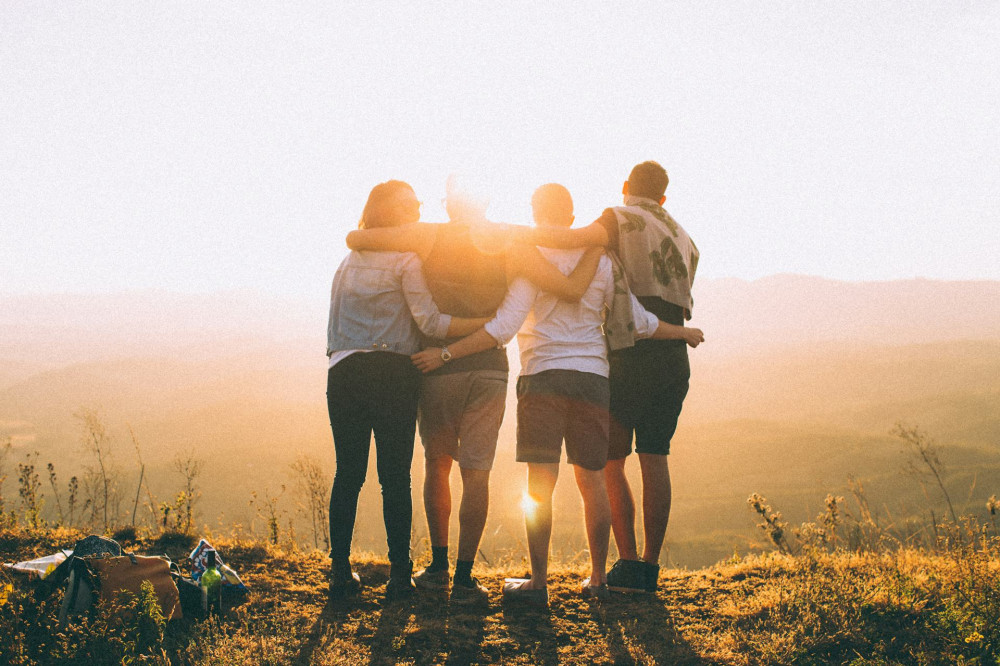
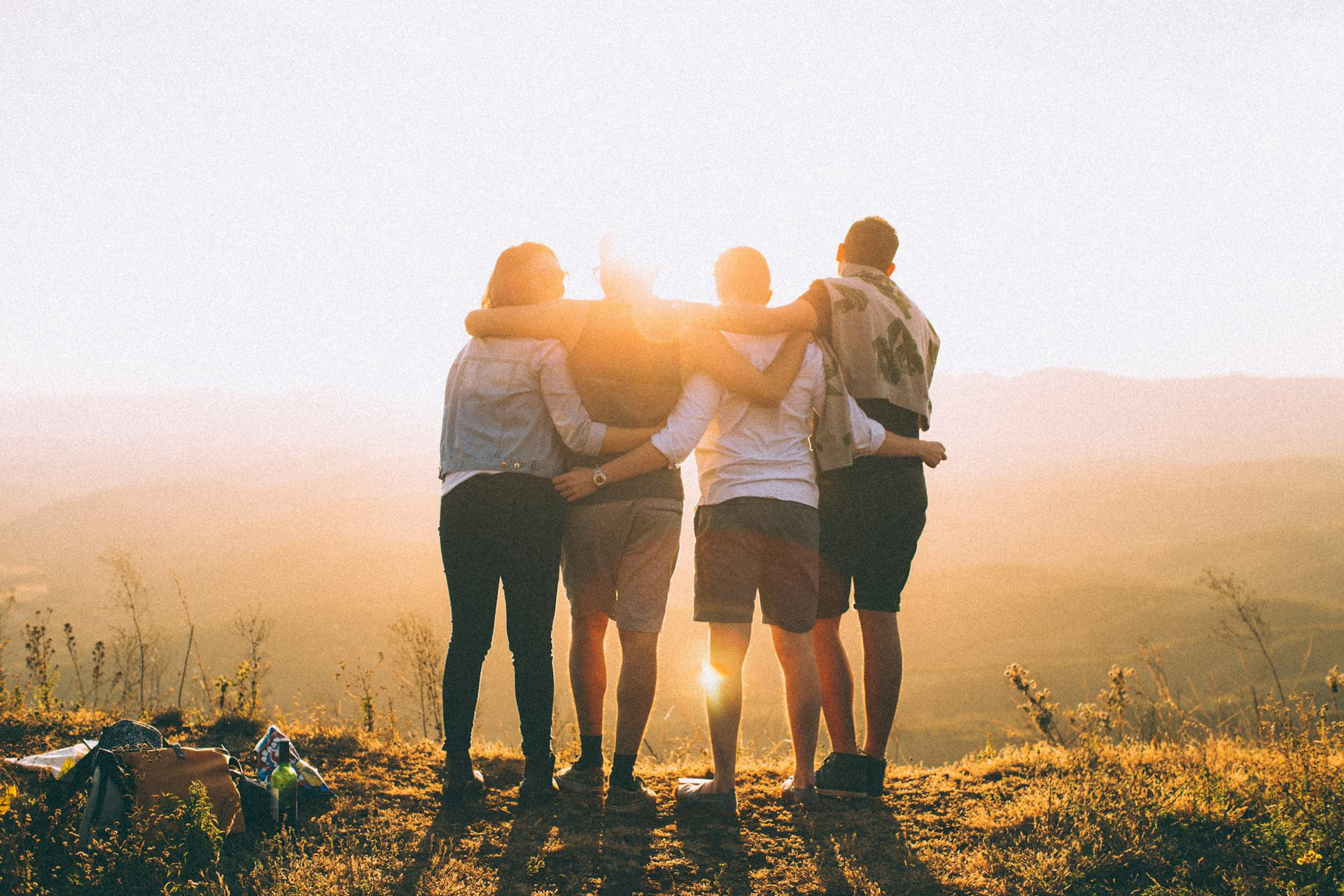
Human beings are wired for connection. Throughout life, relationships and social activities play a vital role in our physical and mental well-being. Research shows that people with strong social ties live longer, experience lower levels of stress and depression, and report greater life satisfaction. But why does community have such a powerful impact on health—and how can you strengthen your own social well-being in everyday life?
The Power of Connection for Body and Mind
When we engage in meaningful relationships, our bodies release hormones like oxytocin and dopamine, which promote calmness, happiness, and trust. At the same time, stress hormones such as cortisol decrease, benefiting blood pressure, immune function, and sleep quality.
People who feel connected to others also tend to cope better with life’s challenges. A supportive network acts as a buffer against stress and loneliness—two factors increasingly linked to poor mental and physical health. In fact, studies from institutions like Harvard and the National Institutes of Health have found that social isolation can be as harmful to health as smoking or obesity.
Læs også:



Making Social Activities a Health Habit
Being social doesn’t necessarily mean having a large circle of friends or attending big events. It’s about creating meaningful connections—both large and small. A coffee break with a coworker, a walk with a neighbor, or volunteering at a local shelter can all foster a sense of belonging.
Try to make social activities a regular part of your routine, just as you would exercise or healthy eating. For example:
- Join community groups – sports leagues, book clubs, choirs, or volunteer organizations offer structure and new relationships.
- Create small rituals – weekly dinners with friends or regular phone calls with family can strengthen bonds.
- Be curious – take the initiative to meet new people through classes, local events, or shared hobbies.
What matters most isn’t how many people you see, but whether you experience genuine connection and mutual interest.
Community in a Digital Age
In an era where much of our communication happens online, it’s easy to assume that digital connections can replace face-to-face interaction. Social media can help us stay in touch, but it rarely provides the same emotional closeness as in-person contact.
That’s why it’s important to balance digital and physical interactions. Use technology as a tool to connect—but make sure those connections lead to real-world encounters where you can experience presence, empathy, and shared moments.
Community as Part of a Healthy Lifestyle
Health isn’t just about diet, exercise, and sleep—it’s also about relationships. The World Health Organization defines health as a state of physical, mental, and social well-being, yet the social dimension is often overlooked in our busy lives.
Prioritizing community is therefore not just about enjoyment—it’s about health. Meeting a friend for lunch can be just as beneficial as going to the gym. In fact, research suggests that loneliness can have a negative impact on health comparable to smoking or physical inactivity.
Getting Started
If you’re looking to build more community in your life, start small. Think about which activities give you energy and where you might meet like-minded people. It could be a local running group, a cooking class, or a volunteer project in your neighborhood.
Be patient—relationships take time to grow. But with openness, initiative, and a bit of courage, you can create connections that enrich your daily life and strengthen your health for years to come.
Community as a Source of Well-Being
Ultimately, being part of a community is about feeling seen, heard, and valued. It brings meaning, security, and joy—and these feelings are essential to both happiness and health. Community isn’t just a social luxury; it’s a fundamental health factor that every one of us needs.
Læs også: