Conversations Across Generations: How Everyone Can Feel Included

Conversations Across Generations: How Everyone Can Feel Included
In families, workplaces, and communities across the United States, people of different ages often come together with unique experiences, values, and ways of seeing the world. Conversations across generations can be both enriching and challenging — how do we create spaces where grandparents, parents, and young people all feel heard and respected? Here are some ideas for building understanding and inclusion across age groups.
Different Perspectives, Shared Desire to Be Understood
Each generation carries its own story. Older Americans may remember a time of fewer choices but stronger neighborhood ties. Younger generations have grown up in a fast-changing, digital world with endless options but sometimes less personal connection. When these perspectives meet, friction can arise — but so can growth.
At the heart of every conversation is a simple truth: everyone wants to be taken seriously. When we listen with curiosity instead of judgment, we open the door to genuine dialogue, where differences become strengths rather than barriers.
Setting the Stage for Meaningful Conversations
Good conversations rarely happen by accident. They need time, attention, and a sense of safety. Whether it’s around the dinner table, during a walk, or while working on a shared project, the right setting helps everyone feel comfortable.
- Make room for every voice. Encourage both the quiet and the talkative to share their thoughts.
- Avoid interrupting. Instead of jumping in with advice, ask questions that invite reflection.
- Watch your tone. Warmth and humor can make even tough topics easier to discuss.
- Use open-ended questions. Try asking, “What was that like for you?” instead of “Why did you do that?”
When a conversation feels like a shared space rather than a debate, it becomes easier for everyone to participate.
When Values and Habits Collide
Many generational conflicts stem not from bad intentions but from different norms. Older adults may emphasize duty and stability, while younger people often value flexibility and self-expression. These differences can lead to misunderstandings — but also to opportunities for learning.
A helpful approach is to focus on what unites us: the desire for a meaningful life, security, and connection. Speaking from personal experience (“I’ve noticed…” instead of “You young people always…”) keeps the conversation constructive and respectful.
Building Bridges Through Shared Experiences
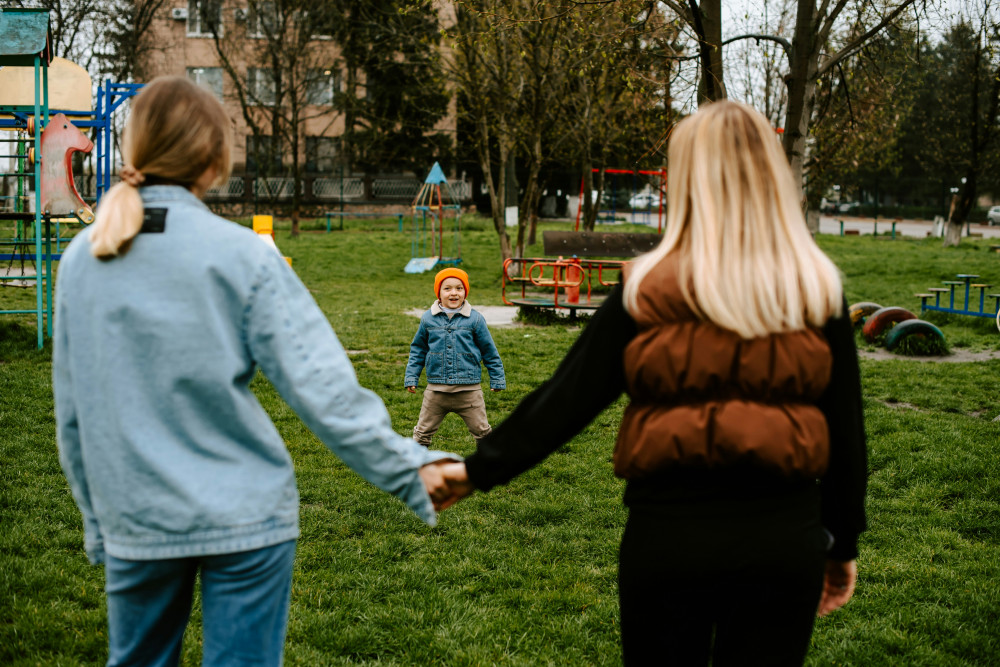
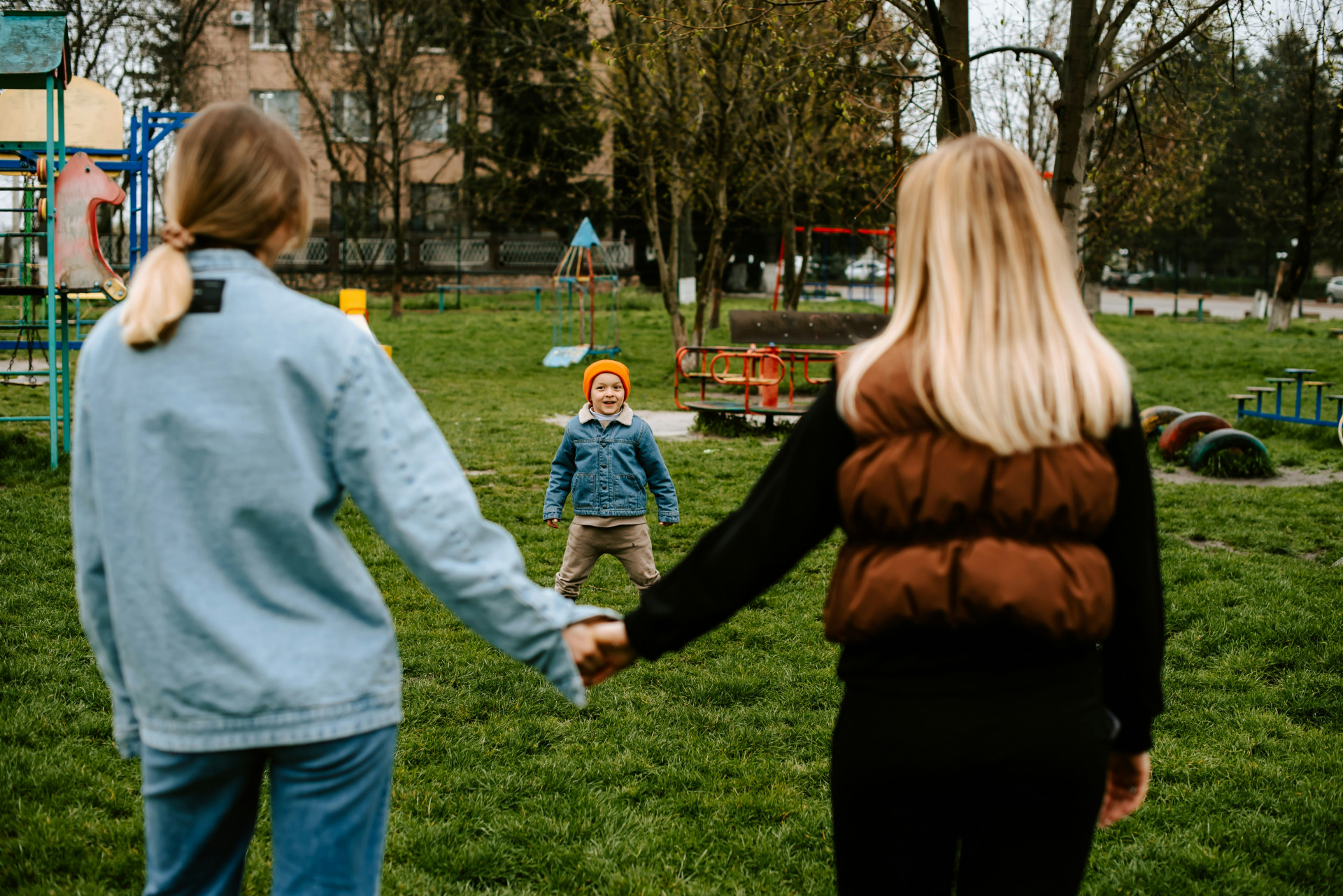
Not every conversation has to tackle big issues. Shared experiences can naturally bring generations closer. Cooking a family recipe together, looking through old photos, volunteering side by side, or teaching each other new skills — these moments create common ground. Maybe a grandchild helps a grandparent navigate a smartphone, while the grandparent shares stories from their youth.
These shared moments create a sense of belonging and make it easier to understand one another, even when opinions differ.
Læs også:




Inclusion Means Respect, Not Agreement
Feeling included doesn’t mean everyone has to think alike. It’s about being met with respect and genuine interest. When we acknowledge each other’s experiences, we build communities where diversity of age and perspective becomes a source of strength.
Try to see intergenerational conversations as opportunities to expand your own view of the world. You might discover that younger people bring fresh energy and creativity, while older generations offer wisdom and perspective that ground us.
A Conversation That Keeps Evolving
Conversations across generations are never finished — they grow and change as life does. The key is to keep showing up with openness, patience, and a willingness to understand.
When everyone feels included, both connection and empathy deepen. And perhaps, in these ongoing conversations, we’ll realize how much we truly share — no matter our age.
Læs også: