Get a Tan with Sunscreen – and Ditch the Myths

Get a Tan with Sunscreen – and Ditch the Myths
Every summer, the same questions pop up: Can you really get a tan if you wear sunscreen? Isn’t it better to let your skin “get used to” the sun without protection? Myths about sunscreen and tanning are everywhere – but most of them simply aren’t true. Here’s what science says, plus some practical tips to help you enjoy the sun safely and still get that healthy summer glow.
The Myth That Sunscreen Stops You from Tanning
One of the most persistent myths is that sunscreen blocks all color. In reality, sunscreen protects your skin from harmful UV rays, but it doesn’t stop the tanning process entirely. You’ll still tan – just more gradually and evenly.
When you wear sunscreen, your skin has time to produce pigment without burning. That means your tan lasts longer and looks smoother, without the peeling or redness that often follows a sunburn. A slow tan is actually a healthier, longer-lasting tan.
What SPF Really Means
SPF, or Sun Protection Factor, tells you how much longer you can stay in the sun before burning compared to going without protection. For example, if you normally start to burn after 10 minutes, an SPF 30 theoretically allows you to stay out 30 times longer – about 300 minutes – before your skin starts to redden.
But that number only holds true if you apply enough sunscreen and reapply regularly. Most people use far too little. Adults need about a shot glass–sized amount to cover the whole body. Reapply every two hours, and always after swimming, sweating, or towel-drying.
Læs også:

Sunscreen Protects Against More Than Just Burns
The sun’s UV rays can damage your skin in multiple ways. UVA rays penetrate deeply and accelerate skin aging, while UVB rays cause sunburn. A good sunscreen offers broad-spectrum protection, meaning it shields you from both.
Using sunscreen regularly reduces your risk of wrinkles, dark spots, and skin cancer. It’s not just about avoiding a painful burn – it’s about protecting your skin’s long-term health.
“I Just Need a Base Tan First” – A Risky Strategy
Many people believe that getting a “base tan” without sunscreen will protect them later in the summer. Unfortunately, that base tan only provides the equivalent of an SPF 2 to 4 – far too low to prevent damage.
Even a slight redness is a sign that your skin has already been harmed. It’s better to start with sunscreen from day one and let your color build gradually. You’ll still get a beautiful tan, but without the risk of burning or premature aging.
How to Get a Healthy, Natural Glow
Want to tan safely while keeping your skin healthy? It’s all about balance. Here are a few simple tips:
- Wear sunscreen every day, even when it’s cloudy – UV rays penetrate clouds.
- Choose the right SPF – SPF 15–30 is fine for daily use, but go for SPF 30 or higher if you’ll be outdoors for extended periods.
- Apply generously and reapply often – more is better than less.
- Seek shade during peak hours – between 10 a.m. and 4 p.m., the sun is strongest.
- Use self-tanner if you want extra color without UV exposure.
This way, you’ll get a smooth, golden tan that lasts longer – and skin that still looks healthy when summer’s over.
Sunscreen Isn’t Just for the Beach
Many people associate sunscreen with vacations or beach days, but UV rays reach you every day – while driving, walking the dog, or sitting by a window. That’s why dermatologists recommend making sunscreen part of your daily routine, just like brushing your teeth.
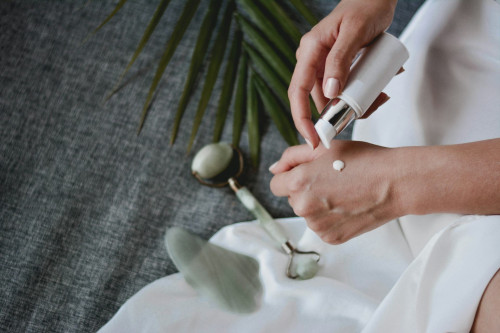
Today’s sunscreens come in lightweight, fragrance-free formulas that work well under makeup or as a daily moisturizer. Protecting your skin doesn’t have to feel greasy or complicated.
Ditch the Myths – and Enjoy the Sun Smartly
Wearing sunscreen doesn’t mean hiding from the sun. It means enjoying it safely. You can absolutely get a tan while protecting your skin – and you’ll end up with a more even, longer-lasting glow when you do it right.
So next time someone claims sunscreen keeps you from tanning, you can smile, apply your SPF, and soak up the sunshine – with confidence and care.
Læs også: