Outdoor Life as Creative Inspiration: Capturing the Spirit of Nature in Photography, Drawing, and Writing

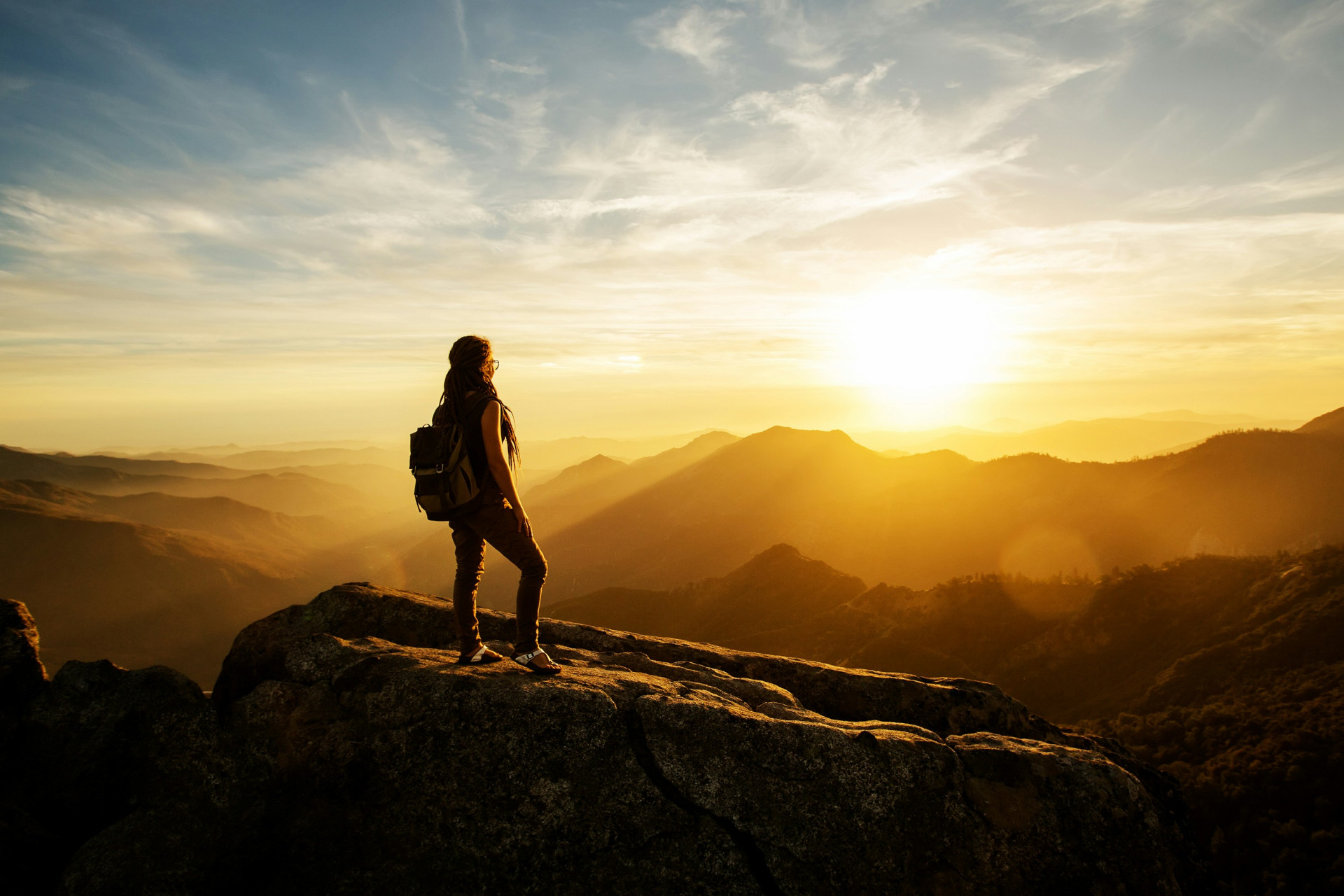
Outdoor Life as Creative Inspiration: Capturing the Spirit of Nature in Photography, Drawing, and Writing
When we step outside, we don’t just breathe in fresh air—we open ourselves to new ways of seeing, feeling, and creating. Spending time outdoors can be a powerful source of creative inspiration, whether your medium is photography, drawing, or writing. Nature offers endless moods, colors, and rhythms that can be transformed into personal expressions of art. Here’s how you can use the outdoors as your creative studio.
See Nature with Fresh Eyes
The first step to finding inspiration in nature is to slow down. Whether you’re walking through a forest, along a beach, or down a quiet trail, take time to notice the small details: the way sunlight filters through leaves, the sound of wind moving through tall grass, or the distant call of a bird.
Observation without judgment is an exercise in presence—and that’s where the best creative ideas often begin. Watch how colors shift throughout the day or how a rainy afternoon changes the mood of a familiar landscape.
Many artists and photographers use nature as a mirror for their emotions. The goal isn’t to reproduce reality exactly, but to capture the feeling of the moment.
Photography: Catching Light and Atmosphere
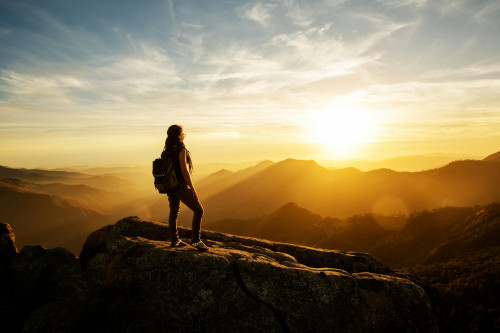
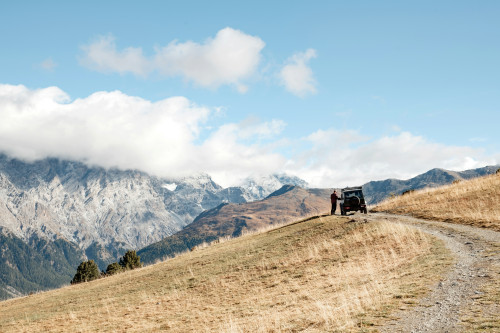
Outdoor photography is less about technical perfection and more about capturing a sense of place. You don’t need expensive gear—a simple camera or even a smartphone can be enough if you use your eye intentionally.
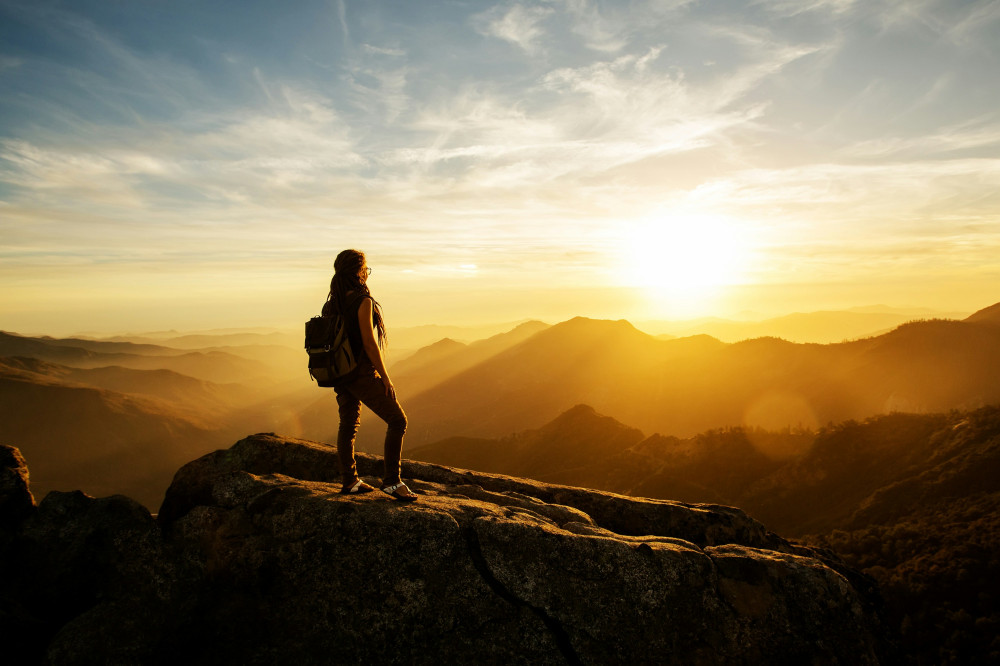
- Play with light and shadow. Early morning and late afternoon offer soft, golden light that enhances texture and depth.
- Find a focal point. A single flower, a rock in a stream, or a tree in fog can tell an entire story.
- Think in moods. What do you want your image to express—calm, strength, melancholy, or joy?
When photographing outdoors, let nature set the pace. Wait for the right moment when the light shifts or the wind moves through your subject. Patience often leads to the most magical shots.
Læs også:
Drawing and Painting: Shapes and Textures from the Wild
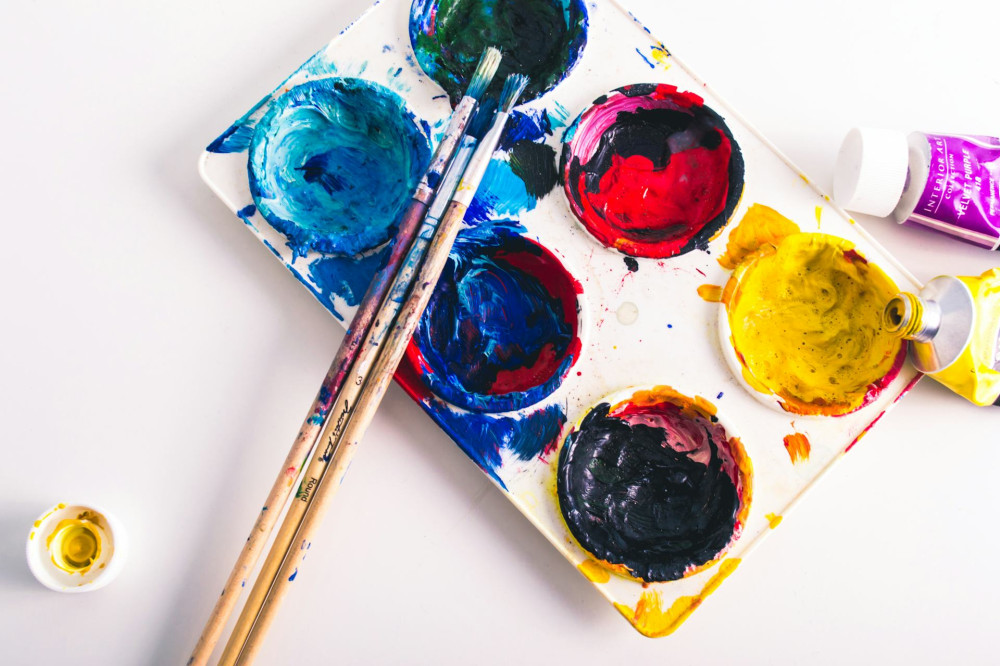
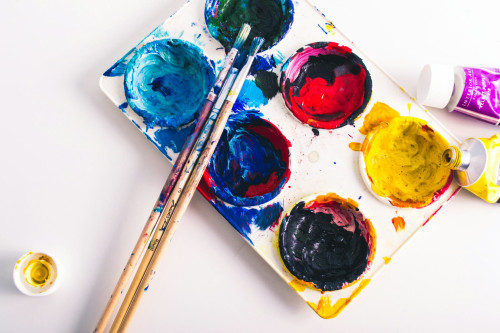
Drawing or painting outdoors connects your hand, eye, and mind in a unique way. You can choose to work realistically, capturing what you see, or let natural forms inspire more abstract interpretations.
- Start with quick sketches. Capture the movement of a branch, a cloud, or an animal before focusing on details.
- Use natural materials. Try drawing with charcoal from a campfire, painting with earth tones, or pressing leaves for texture.
- Let the weather participate. A gust of wind that moves your paper or a raindrop that lands on your watercolor can become part of the artwork.
When you draw outside, you become part of the landscape. You feel the temperature, hear the sounds, and smell the air—and all of that finds its way into your lines and colors.
Writing: Giving Nature a Voice
Nature can also speak through words. Writing outdoors can open up thoughts and images that stay hidden in the noise of daily life.
Bring a notebook on your walk and write without a plan. Describe what you see, but also what you feel or remember as you sit in that place.
- Engage your senses. Describe how the air feels, how the light changes, or how the sounds around you shift.
- Use nature as metaphor. A tree might symbolize resilience, a river might represent change, and a stone might stand for stillness.
- Write in rhythm with your surroundings. Listen to the wind, the birds, or the waves—and let their cadence shape your words.
Many writers find that being outdoors helps dissolve creative blocks. Surrounded by open space, your thoughts can flow more freely.
Build a Creative Outdoor Routine
To make the most of nature’s inspiration, try making outdoor time a regular part of your creative process. It doesn’t have to be a big adventure—a short walk in a nearby park can be enough.
Create small rituals: bring your morning coffee outside, sit by a stream with your sketchbook, or wander with your camera without a specific goal. The key is to make space for calm and curiosity.
Over time, you’ll find that nature isn’t just a subject—it’s a collaborator in your creative growth.
Nature as a Mirror for Creativity
Outdoor life and creativity are deeply connected because both require presence and openness to the unexpected. When you step into nature, you’re reminded that beauty often lies in imperfection—in a broken branch, a rough stone, or shifting light.
Capturing the spirit of nature isn’t about control; it’s about listening, sensing, and allowing yourself to be moved. Whether you photograph, draw, or write, the outdoors can teach you to see the world—and yourself—with new eyes.
Læs også: