Tradition Meets Technology: Smart Ways to Take Control of Your Personal Finances

Tradition Meets Technology: Smart Ways to Take Control of Your Personal Finances
Managing your personal finances has always been an essential life skill—but the way we do it has changed dramatically. Where people once relied on checkbooks, calculators, and paper budgets, today’s tools include mobile apps, automated savings, and digital banking platforms. Technology has made it easier than ever to stay on top of your money, but the best results come when you combine timeless financial principles with modern digital tools.
Know Your Habits – and Use Technology to Spot the Patterns
A healthy financial plan starts with understanding your spending habits. Many Americans are surprised to learn how much small, everyday purchases—like coffee runs, takeout, or streaming subscriptions—add up over time. This is where technology can make a real difference.
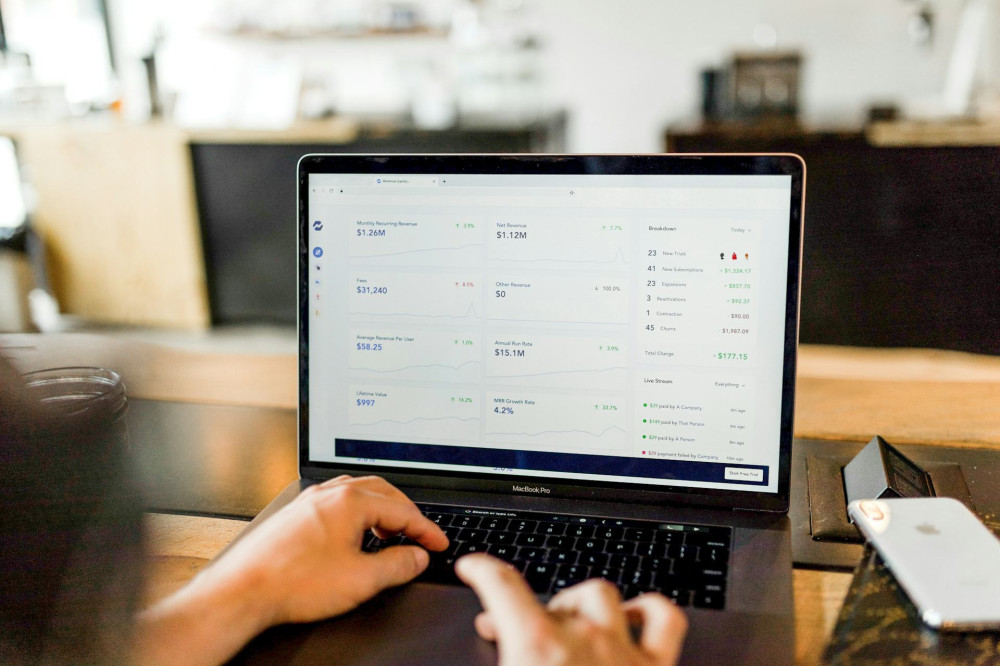
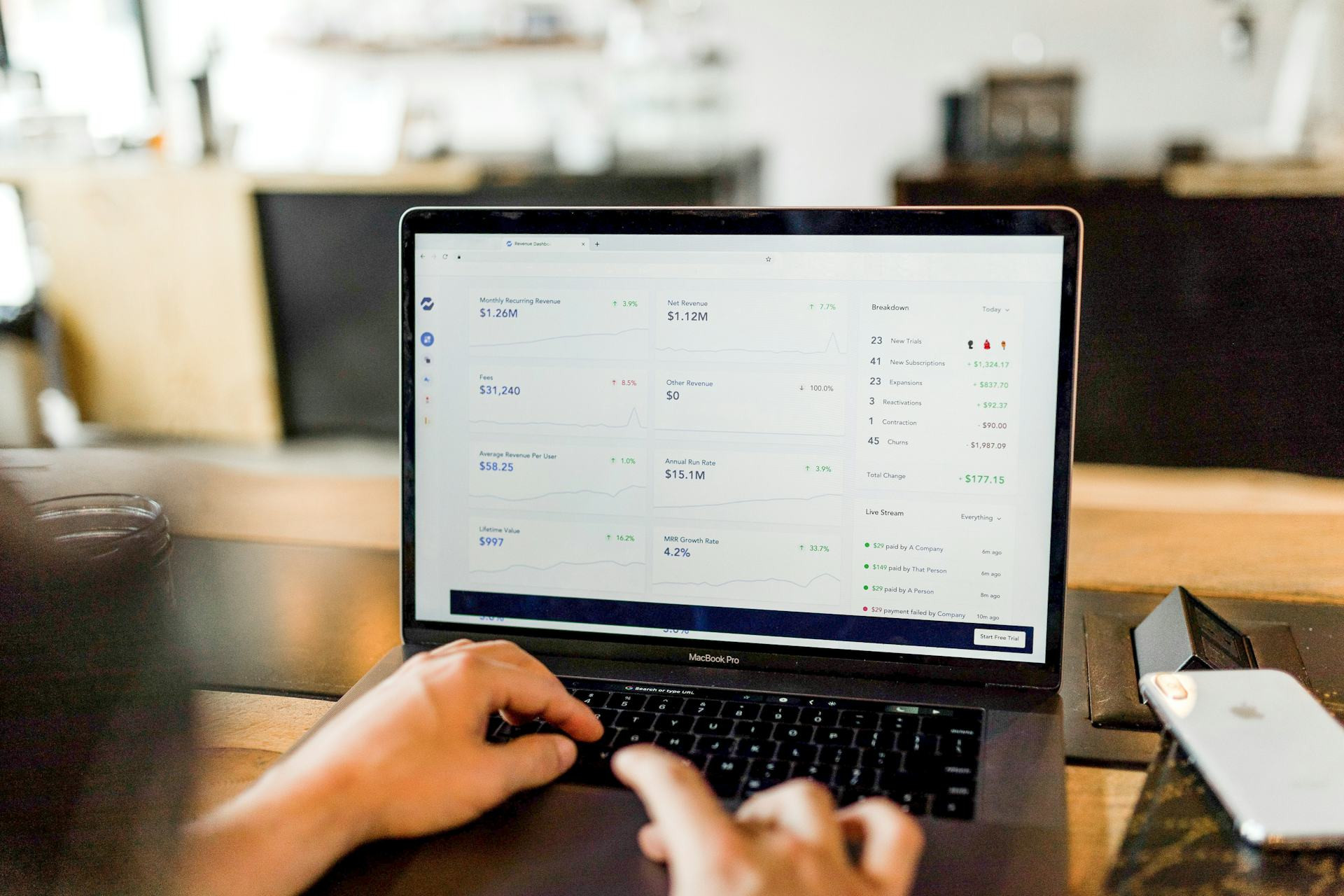
Most banks and credit card companies now offer digital dashboards that automatically categorize your expenses. You can see exactly how much you’re spending on groceries, transportation, or entertainment, making it easier to identify areas where you can cut back. Some apps even analyze your past spending and suggest ways to adjust your budget.
Still, technology can’t make the decisions for you. It’s up to you to decide what matters most and to set realistic goals for your financial future.
The Budget – A Classic Foundation in a Modern Format
A budget remains the cornerstone of sound money management. The difference today is that you can build and track it digitally, with real-time updates. With just a few taps, you can see how much you’ve spent this month, how much is left in your grocery budget, or whether you can afford that weekend getaway.
There are plenty of free budgeting tools available online, and many can connect directly to your bank accounts. That means no more manual data entry—and a more accurate picture of your finances.
A helpful habit is to schedule a monthly “money check-in,” where you review your numbers, adjust your goals, and plan for the month ahead. It’s a simple way to stay organized and reduce financial stress.
Automate What You Can
One of the biggest advantages of modern technology is automation. You can set up automatic transfers for savings, bill payments, and investments, so you don’t have to remember them each month. This reduces the risk of missed payments and helps you stay consistent with your goals.
Many people also use “round-up” savings apps that round each purchase to the nearest dollar and deposit the difference into a savings account. It may seem small, but over time, those spare cents can grow into a meaningful cushion—without you even noticing.
Digital Investing – With a Dose of Caution
Technology has also made investing more accessible than ever. You can now invest directly from your phone, track the markets in real time, and even get algorithm-based advice through robo-advisors. This has opened the door for many first-time investors who once found the process intimidating.
But while it’s easy to get started, the old rules still apply: be patient, diversify your portfolio, and avoid chasing quick profits. Use technology as a tool to support your strategy—not as a shortcut to instant wealth.
Security and Responsibility in the Digital Economy
As your finances become more digital, protecting your data becomes just as important as managing your money. Use strong, unique passwords, enable two-factor authentication, and stay alert for scams and phishing attempts. Most banks and payment apps have robust security systems, but you are still your own first line of defense.
Consider using a password manager to store your financial logins securely. It keeps your information organized and safe, without the risk of forgetting important details.
Læs også:



When Tradition and Technology Work Together
The strongest personal finances come from blending the best of both worlds: traditional principles like planning, discipline, and awareness, combined with the convenience and insight of modern technology. Digital tools can give you clarity and control—but your choices and habits still determine the outcome.
By using technology thoughtfully, you can build a financial life that’s efficient, secure, and tailored to your goals. It’s not about replacing tradition—it’s about letting technology make it even stronger.
Læs også: