Quality Windows: How to Recognize a Solid Window Construction

Quality Windows: How to Recognize a Solid Window Construction
A window is more than just glass and a frame—it’s an investment in comfort, energy efficiency, and the long-term value of your home. High-quality windows can last for decades, while cheaper options often show wear and performance issues after only a few years. But how can you tell if a window is truly well built? Here’s a guide to help American homeowners recognize solid window construction before making a purchase.
The Material – The Foundation of Durability
The material of a window frame determines its appearance, maintenance needs, and lifespan. The most common materials in the U.S. are wood, vinyl, fiberglass, and aluminum-clad wood.
- Wood windows offer a timeless look and excellent insulation. They’re ideal for traditional or historic homes but require regular painting or sealing to protect against moisture and sun damage.
- Vinyl windows are affordable and low-maintenance, but quality varies widely. Look for multi-chambered frames with steel or aluminum reinforcement and UV-resistant finishes to prevent warping or discoloration.
- Fiberglass windows are strong, stable, and energy efficient. They expand and contract very little with temperature changes, making them a great long-term choice.
- Aluminum-clad wood windows combine the warmth of wood inside with a durable, weather-resistant aluminum exterior—offering the best of both worlds with minimal upkeep.
A solid window feels sturdy, with tight joints and no visible gaps. Check the corners and seams—precision assembly is a hallmark of quality craftsmanship.
Glass and Energy Performance – The Key to Lower Utility Bills
Since glass makes up most of a window’s surface, its quality has a major impact on performance. Modern energy-efficient windows typically feature double or triple glazing with low-emissivity (Low-E) coatings and argon or krypton gas fills between panes to reduce heat transfer.
In the U.S., look for the ENERGY STAR® label and check the NFRC (National Fenestration Rating Council) ratings. Pay attention to the U-factor (lower is better for insulation) and the Solar Heat Gain Coefficient (SHGC) (lower values help block heat from the sun).
If you live in a noisy area, consider acoustic glass for sound reduction. In sunny climates, solar control glass can help prevent overheating and fading of interior furnishings.
Hardware and Seals – Small Details That Make a Big Difference
Even the best frame and glass won’t perform well if the hardware is subpar. Test the locks, hinges, and handles—they should feel solid and operate smoothly. Stainless steel or corrosion-resistant hardware is best, especially in coastal or humid regions.
Inspect the weatherstripping around the sash and frame. It should be soft, flexible, and form a tight seal when the window is closed. Cracked or loose seals allow drafts and moisture to enter, reducing comfort and efficiency.
Construction and Fit – Precision Pays Off
A well-constructed window is built with accuracy and attention to detail. The frame should be square, and the sash should open and close easily without sticking or rattling. Poorly aligned or lightweight windows often indicate lower quality.
A good rule of thumb: a solid window tends to feel heavier because it’s made from denser materials and reinforced components. Lightweight windows may be cheaper, but they’re more likely to flex, leak, or fail over time.
Finishes and Maintenance
The finish protects the window from the elements. For wood windows, look for multiple coats of paint or stain that fully cover joints and edges. Aluminum cladding should have a smooth, even powder coating, and vinyl surfaces should be uniform in color and texture.
Ask the manufacturer about recommended maintenance and cleaning products. Quality windows require less upkeep, but a little care—like cleaning tracks and checking seals—can extend their lifespan significantly.
Certifications and Warranty – Your Consumer Protection
When investing in new windows, look for certifications such as ENERGY STAR® and NFRC ratings, which confirm that the product meets U.S. standards for energy efficiency and performance. Some manufacturers also carry AAMA (American Architectural Manufacturers Association) certification, indicating that the window has passed rigorous structural and weather-resistance tests.
A reputable manufacturer will back their product with a comprehensive warranty, often covering 10 to 20 years for glass and frame components. A strong warranty reflects confidence in the product’s durability and quality.
Læs også:
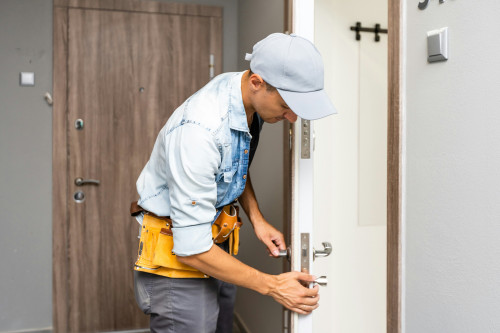
A Window Is an Investment – Not Just an Opening in the Wall
Choosing windows isn’t just about price—it’s about long-term value. Quality windows improve comfort, reduce energy costs, and enhance your home’s appearance. They can also increase resale value and save you from costly repairs down the road.
Before you buy, take time to compare materials, energy ratings, and warranties. A well-built window may cost more upfront, but it pays off in performance, longevity, and peace of mind for years to come.
Læs også: