When the Door Sticks: Signs It’s Time for an Adjustment or Replacement

When the Door Sticks: Signs It’s Time for an Adjustment or Replacement
A door that sticks can be more than just a daily annoyance—it can signal that something in your home needs attention. Maybe the house has settled, the hinges have loosened, or humidity has caused the wood to swell. Whatever the reason, it’s worth addressing before the problem worsens. Here’s a guide to recognizing when a simple adjustment will do the trick—and when it’s time to replace the door altogether.
Why Does a Door Start to Stick?
There are several reasons a door might suddenly refuse to close smoothly. The most common include:
- Humidity and temperature changes – Wood expands when the air is humid and contracts when it’s dry. Seasonal changes, especially in areas with hot, humid summers or cold winters, can cause doors to swell and stick.
- House settling – Over time, homes naturally shift and settle. This can slightly alter the shape of door frames, making doors misalign.
- Worn or loose hinges – Hinges that have loosened or worn down can cause the door to sag, rubbing against the frame or floor.
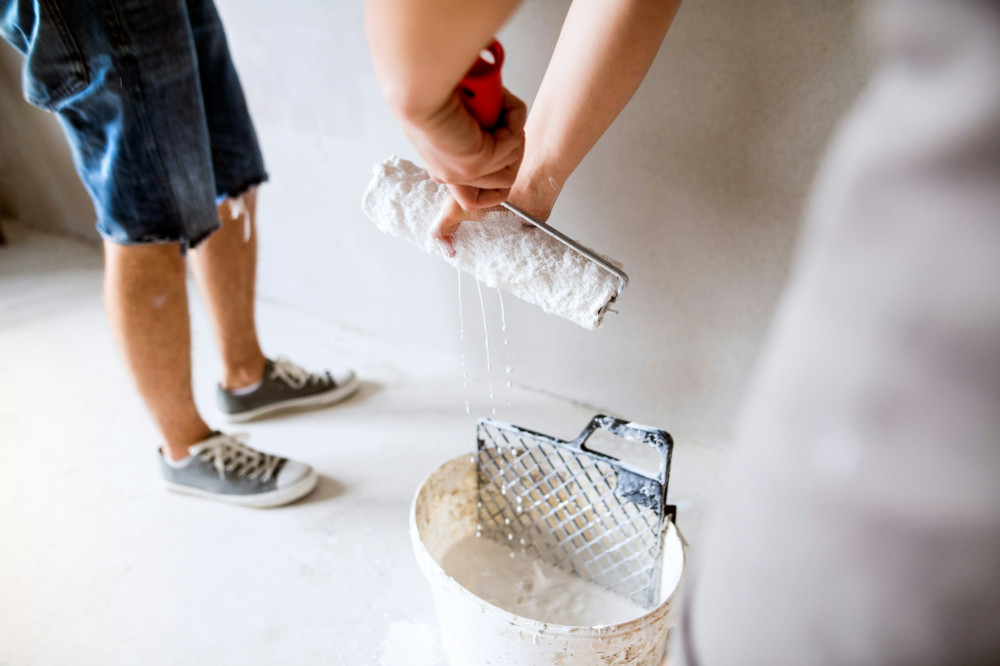
- Paint buildup – Multiple coats of paint over the years can make a door too thick for its frame.
Identifying the cause is the first step toward fixing the issue—and deciding whether a quick adjustment will be enough.
Signs the Door Just Needs an Adjustment
In many cases, a sticking door can be fixed with a few simple tweaks. You can usually get by with an adjustment if:
- The door only sticks slightly at one corner or along one edge.
- The hinges are loose but otherwise in good condition.
- The door itself is solid, with no cracks, warping, or water damage.
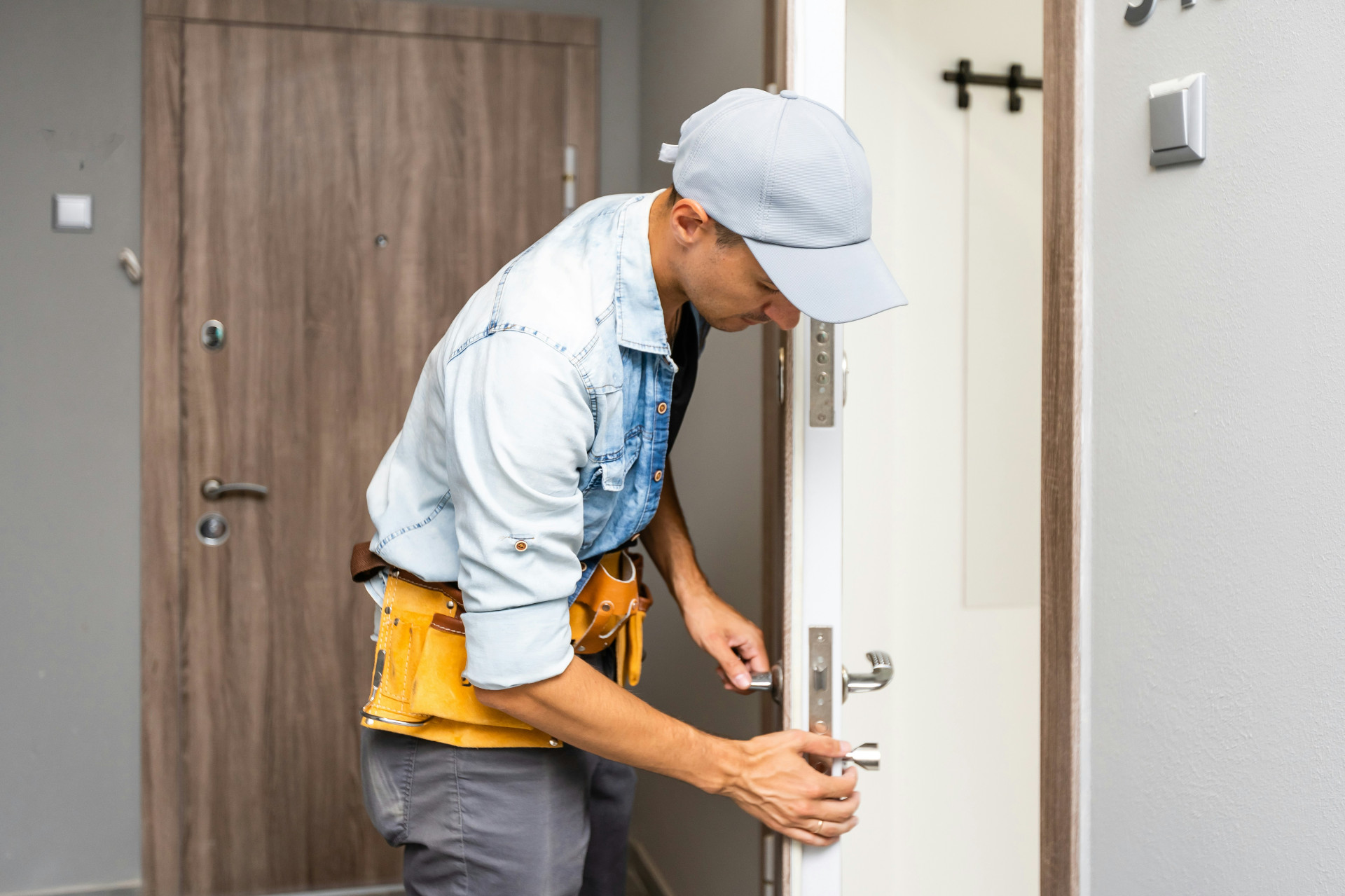
Start by tightening the hinge screws. If that doesn’t help, try loosening the hinges slightly and repositioning them. Sometimes, removing a thin layer of wood with a hand plane or sandpaper where the door rubs can solve the problem—just go slowly and check the fit as you go.
A drop of lubricant on the hinges can also make a big difference, eliminating squeaks and helping the door move more smoothly.
When Adjustment Isn’t Enough
While a quick fix can solve many issues, there are times when replacement is the smarter choice. Consider replacing the door if:
- The door is warped, cracked, or split, and no longer fits properly.
- There are signs of rot or water damage, especially near the bottom.
- The door still sticks or won’t close properly after multiple adjustments.
- You feel drafts or temperature changes around the edges, indicating poor insulation.
In these cases, replacing the door can be more cost-effective in the long run. A new door can improve comfort, energy efficiency, and curb appeal all at once.
Choosing a New Door
If you decide to replace your door, keep these factors in mind:
- Material – Solid wood doors are classic but require maintenance. Fiberglass and steel doors are more resistant to moisture and temperature changes, making them popular choices across much of the U.S.
- Energy efficiency – Look for doors with good insulation ratings, especially for exterior doors. ENERGY STAR®-rated models can help lower heating and cooling costs.
- Style and design – Choose a door that complements your home’s architecture. Consider color, panel design, and glass inserts for both aesthetics and natural light.
- Security – Modern doors often come with reinforced frames and advanced locking systems for added protection.
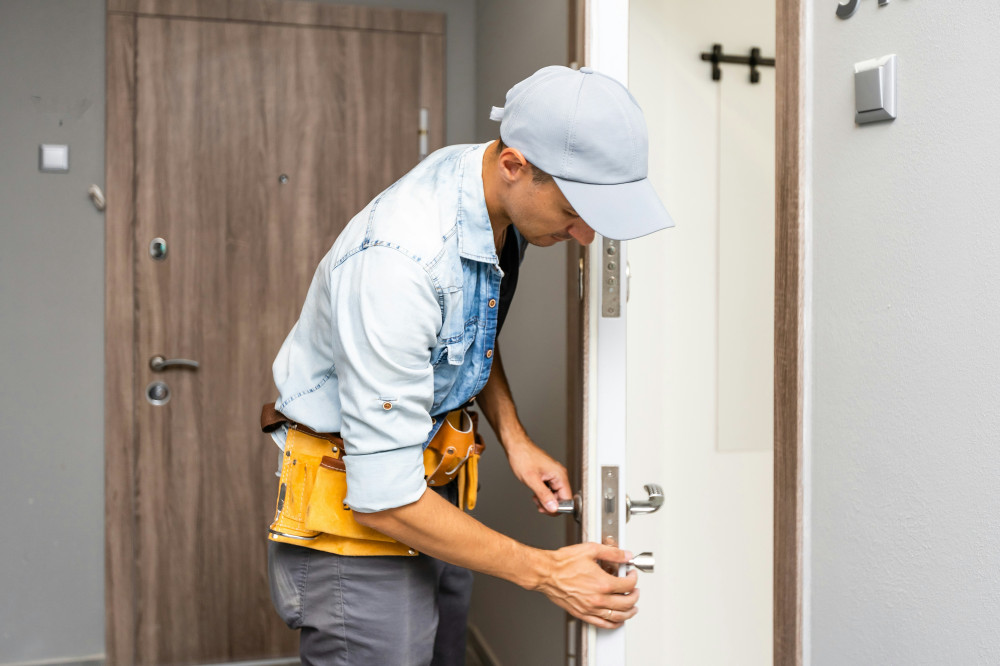
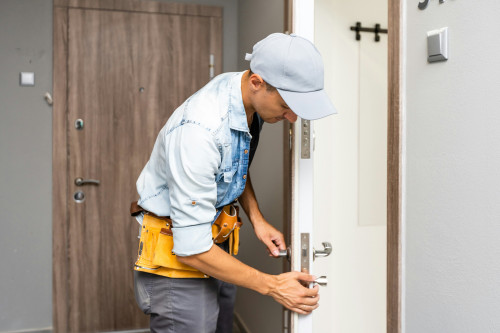
Professional installation is worth considering to ensure a perfect fit and long-lasting performance.
Læs også:
Preventing Future Problems
Once your door is working smoothly, a little maintenance can help keep it that way:
- Check and tighten hinge screws a couple of times a year.
- Keep the door edges clean and free of paint buildup.
- Maintain good indoor ventilation to prevent excess humidity.
- Avoid applying too many layers of paint without sanding between coats.
With regular care, your doors can stay functional and attractive for many years.
A Small Fix That Makes a Big Difference
A sticking door might seem like a minor issue, but it’s often a sign that something needs attention. In many cases, a screwdriver and a few minutes of effort are all it takes to restore smooth operation. But if the door is damaged, warped, or beyond repair, replacing it can bring lasting benefits—better comfort, improved energy efficiency, and a fresh look for your home.
Læs også: