Zoning Plans and Property Restrictions: What Are You Actually Allowed to Build on Your Lot?

Zoning Plans and Property Restrictions: What Are You Actually Allowed to Build on Your Lot?
Dreaming of adding a new garage, expanding your home, or building a backyard studio? Before you start sketching plans or hiring a contractor, it’s important to understand that owning a piece of land doesn’t mean you can build whatever you want on it. Zoning laws, deed restrictions, and building codes all set boundaries for what’s allowed—and navigating them can be confusing. Here’s a clear overview of what you need to know before breaking ground.
What Is Zoning?
Zoning is how local governments regulate land use within their jurisdictions. Every city or county divides land into zones—such as residential, commercial, industrial, or agricultural—and each zone has its own rules about what can be built and how the property can be used.
Typical zoning regulations may cover:
- The type of structures allowed (single-family homes, duplexes, businesses, etc.)
- Minimum lot sizes and building setbacks from property lines
- Maximum building height and total square footage
- Parking requirements and driveway placement
- Restrictions on accessory structures like sheds or guest houses
You can usually find your property’s zoning designation on your city or county’s planning department website. Many local governments also provide interactive zoning maps and downloadable ordinances. It’s a good idea to review these before you start designing your project.
Deed Restrictions and Covenants
Even if your local zoning allows a certain type of construction, your property might still be subject to deed restrictions or covenants—private rules that limit how you can use your land. These are often created by developers or homeowners’ associations (HOAs) to maintain a neighborhood’s appearance or property values.
Common examples include:
- Prohibitions on certain exterior materials or paint colors
- Requirements for minimum home size or architectural style
- Restrictions on fences, sheds, or detached garages
- Rules about parking RVs, boats, or trailers on the property
Deed restrictions are recorded with your property’s title and remain in effect even when ownership changes. You can find them in your property deed or by checking with your county recorder’s office. If you live in an HOA community, the association’s bylaws and covenants will spell out additional requirements.
Læs også:

Building Codes and Permits
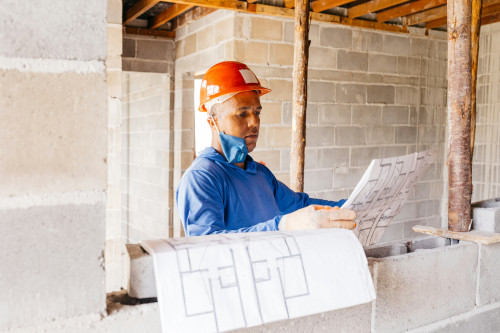
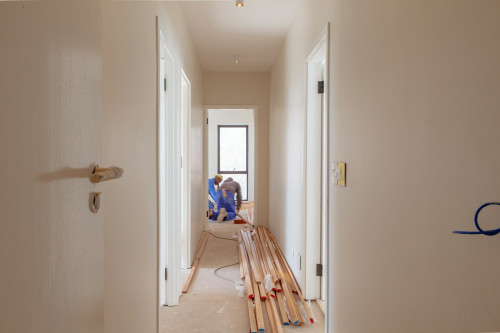
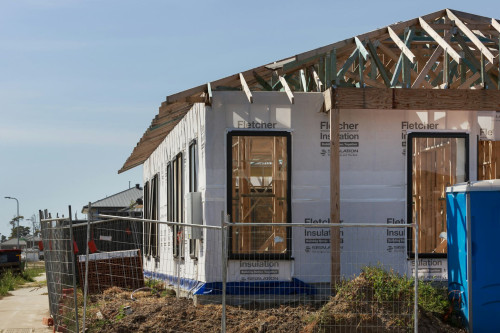
Zoning and deed restrictions determine what you can build, but building codes determine how you must build it. These codes are designed to ensure safety, energy efficiency, and structural integrity. They cover everything from foundation depth and electrical wiring to fire safety and insulation.
Most construction projects—such as additions, garages, decks, or new homes—require a building permit from your local building department. Smaller projects, like replacing a fence or building a small shed, may be exempt, but you still need to follow code requirements.
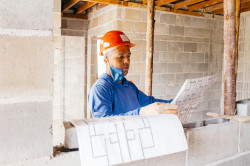
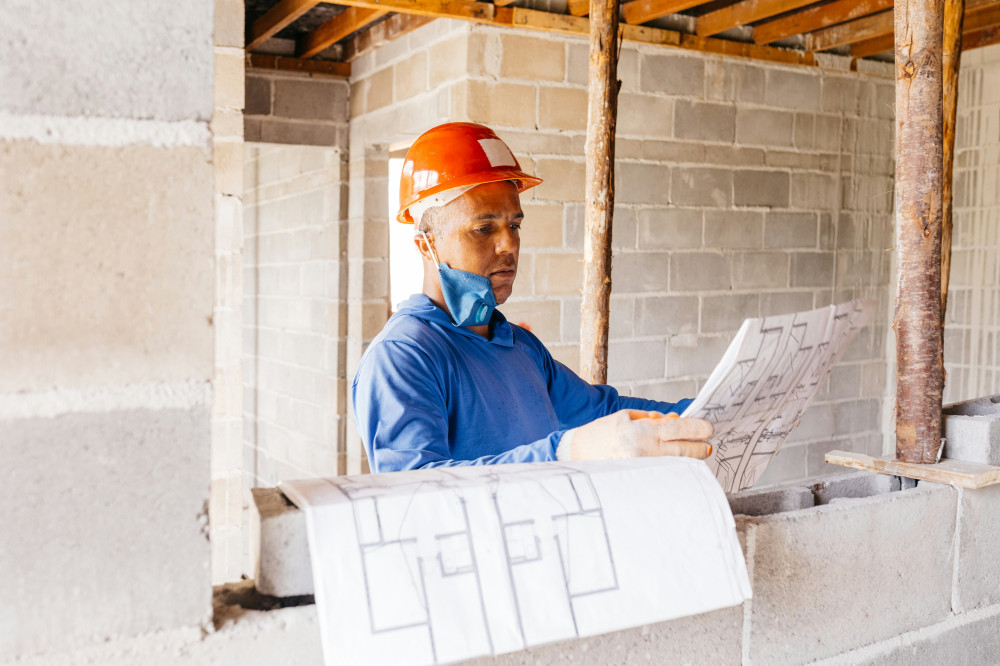
Before starting any work, contact your local building department to confirm whether you need a permit and what documentation is required. Submitting proper plans and getting inspections along the way can save you from costly mistakes later.
What Happens If You Build Without Checking the Rules?
Skipping the research phase can lead to serious problems. If you build something that violates zoning laws or deed restrictions, you may be required to modify or even demolish the structure. You could also face fines or delays when trying to sell your property, since unpermitted work often shows up during inspections or title searches.
In short, it’s far better to spend a little extra time upfront verifying what’s allowed than to deal with expensive corrections later.
How to Get Started
- Check your zoning designation on your city or county’s planning website.
- Review any deed restrictions or HOA covenants tied to your property.
- Consult your local building department about permit requirements.
- Hire a licensed professional (architect, engineer, or contractor) familiar with local codes.
- Keep records of all approvals, permits, and inspections for future reference.
By following these steps, you’ll ensure your project complies with all applicable rules and avoid unpleasant surprises down the road.
Why These Rules Exist
While zoning and property restrictions can feel limiting, they serve an important purpose. They help maintain neighborhood character, protect property values, and ensure that buildings are safe and functional. Understanding and respecting these regulations allows you to plan confidently—knowing your project will stand the test of time and fit seamlessly into your community.
Læs også: