Sustainable Eating in Practice – Finding the Balance Between Environmental Impact and Nutritional Needs

Sustainable Eating in Practice – Finding the Balance Between Environmental Impact and Nutritional Needs
Sustainable eating isn’t just about going plant-based – it’s about finding a balance between what’s good for the planet and what’s good for your body. As climate change and health concerns take center stage, more Americans are looking for ways to eat that reduce environmental impact while still meeting nutritional needs. But what does that look like in everyday life? Here’s a guide to making sustainable eating practical, healthy, and enjoyable.
What Does Sustainable Eating Really Mean?
A sustainable diet is one that supports both personal health and the health of the planet. It emphasizes foods that require fewer natural resources, generate less greenhouse gas emissions, and contribute to a fair and resilient food system. At the same time, it provides the nutrients your body needs – protein, vitamins, minerals, and energy.
According to the U.S. Department of Agriculture (USDA) and nutrition experts, a diet rich in vegetables, fruits, whole grains, legumes, and moderate amounts of animal products is a strong foundation. You don’t have to become vegetarian or vegan to eat sustainably – even small shifts toward more plant-based meals can make a big difference.
Less Meat – But Still Enough Protein
Meat, especially beef and lamb, is one of the largest contributors to greenhouse gas emissions in the American diet. Cutting back can significantly reduce your carbon footprint, but many people worry about getting enough protein. Fortunately, there are plenty of nutritious alternatives.
- Legumes such as lentils, beans, and chickpeas are packed with protein, fiber, and minerals.
- Nuts and seeds provide healthy fats and help you feel full.
- Eggs and dairy can remain part of your diet in moderate amounts if you’re not fully plant-based.
- Seafood, particularly sustainably caught or farmed species like sardines, trout, or U.S.-farmed catfish, can be a smart choice a few times a week.
A simple strategy is to make meat a side rather than the centerpiece of your meal. Use it to add flavor to soups, salads, or pasta dishes, and let vegetables and grains take up more space on your plate.
Læs også:


Eat Seasonally and Reduce Food Waste
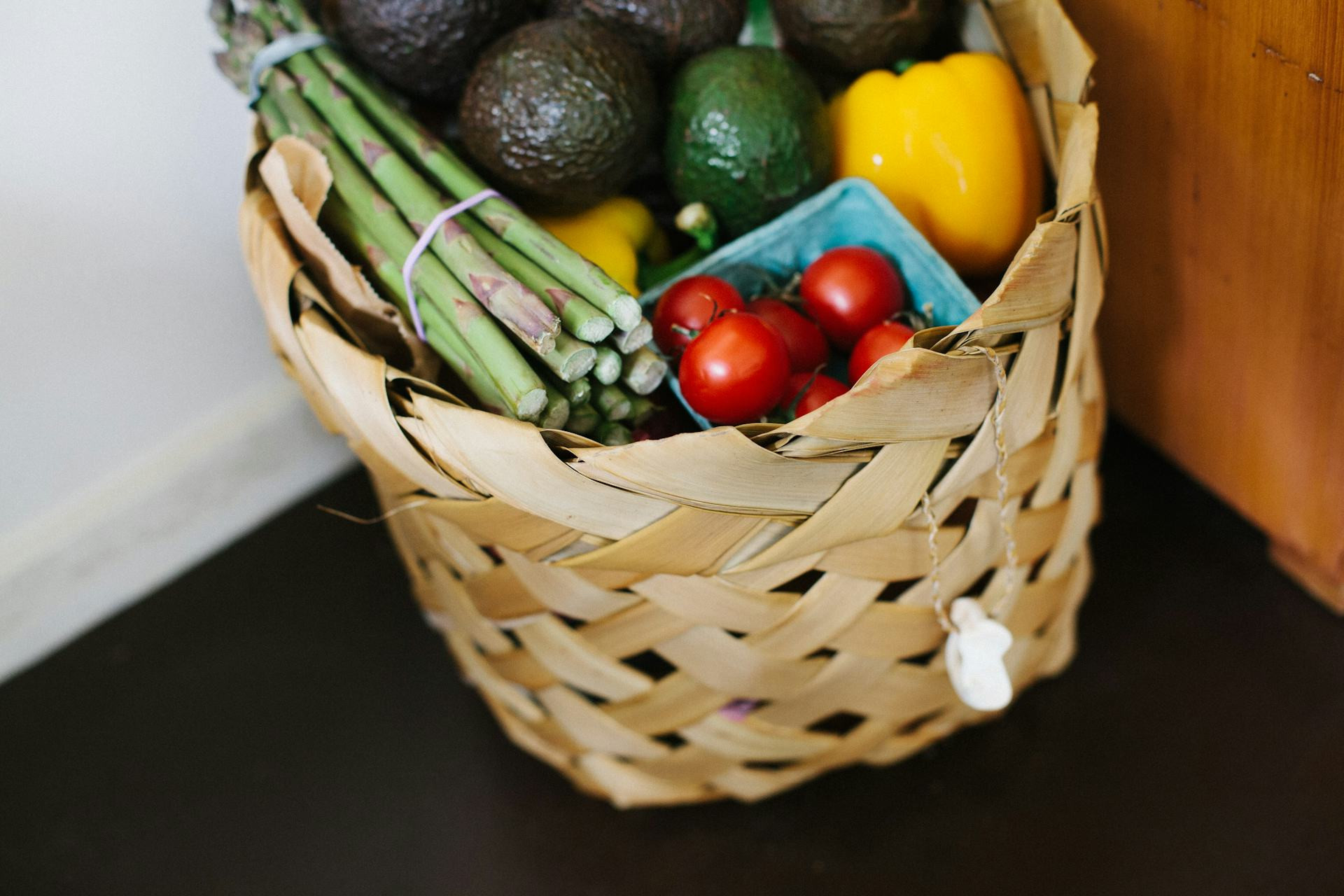
One of the easiest ways to eat more sustainably is to choose foods that are in season and grown closer to home. Seasonal produce often tastes better, costs less, and requires less energy for transportation and storage. In the U.S., that might mean enjoying sweet corn and tomatoes in summer, apples and squash in fall, and hearty greens in winter.
Food waste is another major issue – Americans throw away millions of tons of food each year, much of it still edible. Planning meals, storing food properly, and getting creative with leftovers can make a big difference. Turn vegetable scraps into broth, freeze extra portions, and use “imperfect” produce in soups or smoothies. Reducing waste saves both money and resources.
Choose Local and Organic When It Makes Sense
Buying local supports American farmers and reduces the environmental cost of long-distance transportation. Farmers’ markets, community-supported agriculture (CSA) programs, and local co-ops are great ways to find fresh, seasonal produce.
Organic products can also be a good choice, as they’re produced without synthetic pesticides and often with greater attention to soil health and biodiversity. However, organic isn’t always the most climate-friendly option if it involves long transport routes or heavy packaging. The key is balance – choose organic for staple items like milk, oats, or apples when possible, and pair that with local, seasonal produce.
Balancing Health and Climate Goals
A sustainable diet should be both environmentally responsible and realistic for your lifestyle. For most people, gradual changes work best. Try starting with one meatless day per week, swapping white rice for whole grains like quinoa or barley, or experimenting with new plant-based recipes.
The goal isn’t perfection – it’s progress. A diet that’s enjoyable, nourishing, and sustainable for you personally is far more effective than a drastic change you can’t maintain.
Small Steps, Big Impact
Sustainable eating is about mindful choices, not strict rules. Every time you choose vegetables over meat, local over imported, or leftovers over waste, you’re contributing to a healthier planet and a healthier you.
In practice, sustainable eating is an ongoing process – a balance between environmental awareness and nutritional well-being. When food remains a source of pleasure, connection, and vitality, sustainability becomes not just a goal, but a way of life.
Læs også: