Variety on the Menu: Avoid Food Fatigue with Simple Everyday Changes

Variety on the Menu: Avoid Food Fatigue with Simple Everyday Changes
Ever find yourself staring into the fridge thinking, “Not spaghetti again”? Food fatigue happens to almost everyone at some point—especially when busy schedules and routines take over. But bringing excitement back to your meals doesn’t require fancy recipes or hours in the kitchen. With a few small changes in planning, ingredients, and preparation, you can rediscover the joy of everyday cooking and keep your taste buds interested.
Why We Get Tired of Our Own Cooking
Food fatigue often sets in when we repeat the same meals week after week. It’s convenient—we know the recipes, and the family likes them—but predictability can make meals feel dull. Our brains crave variety, and when they don’t get it, even our favorite dishes can start to feel uninspired.
Time pressure and habits also play a role. When life gets hectic, we default to what’s easy. Ironically, that’s when small tweaks can make the biggest difference.
Change One Thing at a Time
You don’t have to overhaul your entire meal plan to add variety. Start by changing just one element in a familiar dish:
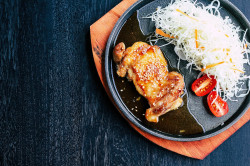
- Swap the protein: Try ground turkey instead of beef in tacos, or make chili with beans and sweet potatoes.
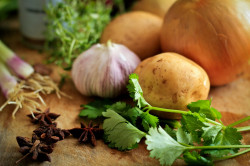
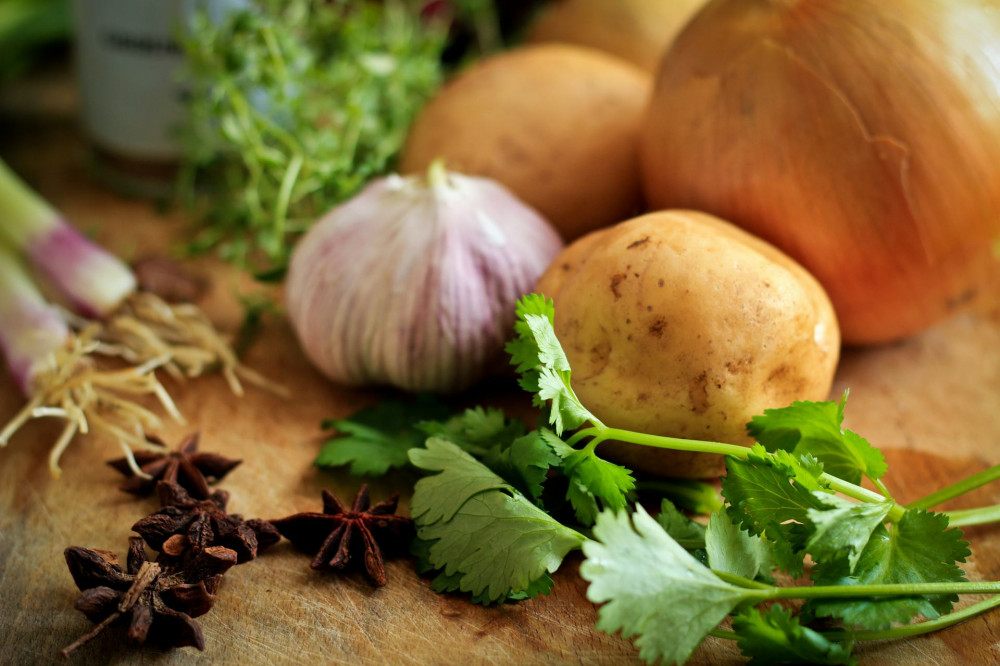
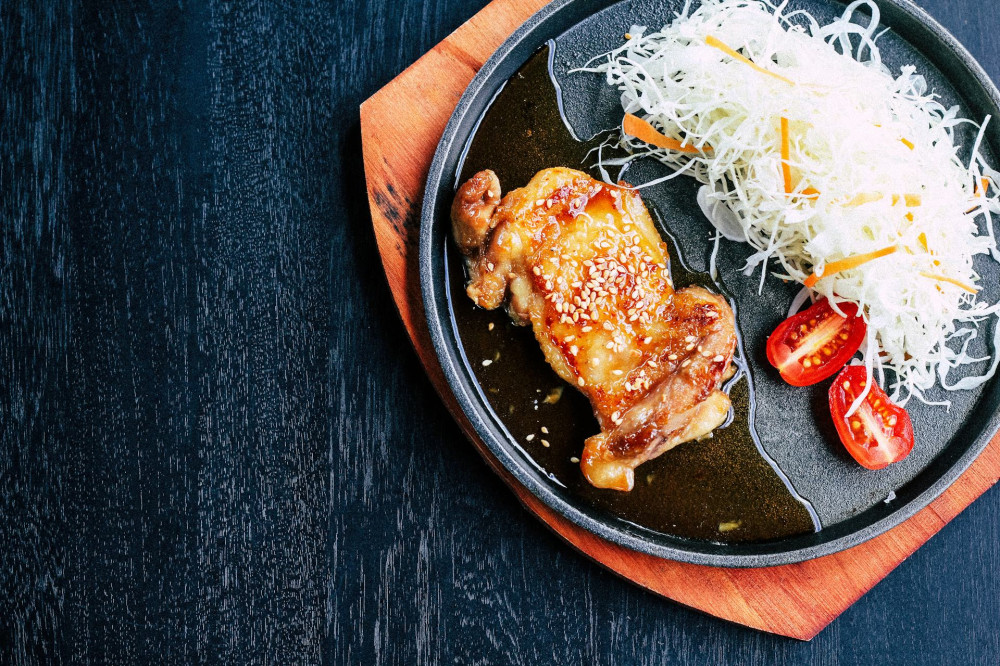
- Play with spices: A simple chicken dish can taste brand new with Cajun seasoning, curry powder, or fresh herbs.
- Switch the sides: Serve quinoa instead of rice, or roast sweet potatoes instead of making fries.
- Add color: Fresh herbs, pickled onions, or a sprinkle of pomegranate seeds can transform both flavor and presentation.
Small adjustments keep cooking quick and easy—without it feeling like the same meal every night.
Læs også:
Plan with Themes
A simple way to build variety is to plan your week around themes. It makes grocery shopping easier and keeps things interesting without extra effort. For example:
- Meatless Monday: Try veggie stir-fry, lentil soup, or black bean tacos.
- Taco Tuesday: Mix it up with fish tacos, pulled pork, or roasted cauliflower.
- Wellness Wednesday: Focus on lighter meals like grain bowls or hearty salads.
- Throwback Thursday: Revisit a family favorite but give it a twist—maybe baked mac and cheese with broccoli or a new spice blend.
- Fun Friday: Make homemade pizza, burgers, or wraps with creative toppings.
Theme nights give structure to your week while keeping your menu fresh and flexible.
Cook with the Seasons
Seasonal produce naturally brings variety to your table. It’s fresher, often more affordable, and helps you rotate ingredients throughout the year.
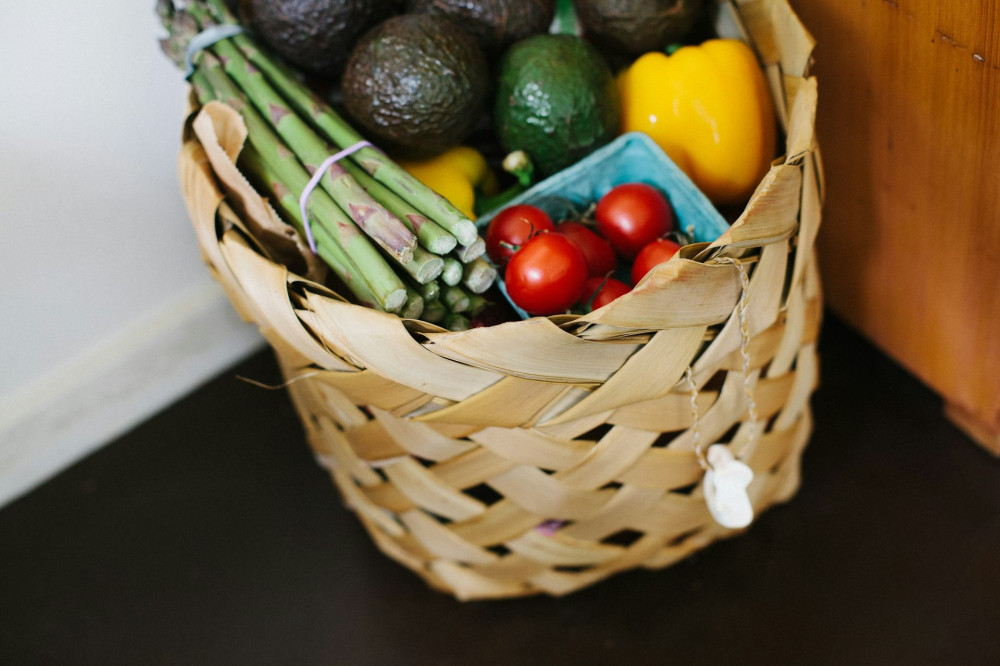
In spring, think asparagus, peas, and fresh herbs. Summer brings tomatoes, corn, and berries. Fall is perfect for squash, apples, and mushrooms, while winter calls for hearty greens, root vegetables, and warming spices.
Let one seasonal ingredient inspire your weekly menu—it’s an easy way to keep meals exciting and balanced.
Make Cooking Enjoyable Again
Cooking doesn’t have to feel like a chore. Turn it into a creative break in your day. Put on some music, try a new recipe, or cook with family or friends. When the process is fun, it feels less like routine.
Challenge yourself with small projects: bake your own bread, make a new sauce, or explore a different cuisine—maybe Mediterranean, Thai, or Southern comfort food. It’s not about perfection; it’s about curiosity and enjoyment.
Turn Leftovers into New Meals
Leftovers don’t have to mean eating the same thing twice. They can be the foundation for something new. Grilled chicken can become a salad, wrap, or soup. Cooked rice can turn into fried rice or a burrito bowl. Roasted vegetables can be blended into a pasta sauce or added to an omelet.
Thinking creatively about leftovers saves time, reduces waste, and keeps your meals interesting.
Variety Is About Curiosity
Avoiding food fatigue isn’t about complicated cooking—it’s about staying curious. You don’t need to be a gourmet chef to eat well; you just need to be open to small changes. A new spice, a different texture, or a splash of color can make a big difference in how you experience your meals.
So next time you’re tempted to make the same old dish, ask yourself: What’s one small thing I can change today? The answer might lead you to your next favorite meal.
Læs også: