Taste and Culture: How the World Experiences Food in Different Ways

Taste and Culture: How the World Experiences Food in Different Ways
Food is far more than nourishment – it’s a story about who we are, where we come from, and how we connect with others. Every culture has its own flavors, rituals, and ways of gathering around the table. From Japan’s precision in sushi to Italy’s passion for pasta and Mexico’s vibrant street food, cuisine reflects history, climate, and values. In this article, we explore how different cultures experience and express themselves through food – and what that reveals about humanity.
Food as Identity and Community
In many cultures, meals are a cornerstone of social life. In the United States, food often brings people together for celebrations – from backyard barbecues on the Fourth of July to Thanksgiving dinners that blend family traditions and regional flavors. In Southern Europe, long, shared meals are a daily ritual, where conversation flows as freely as the wine.
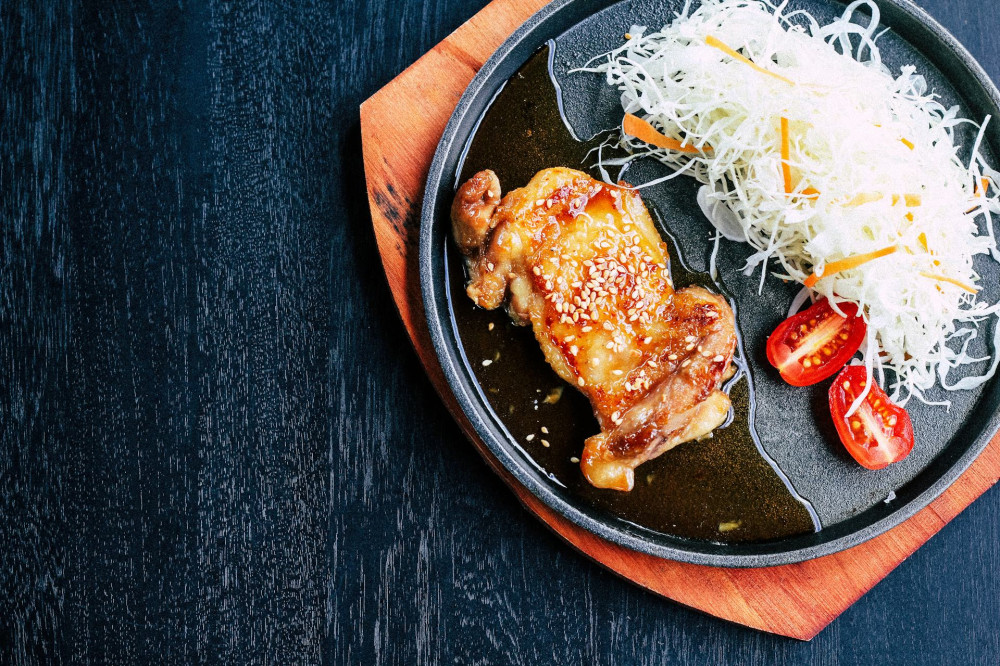
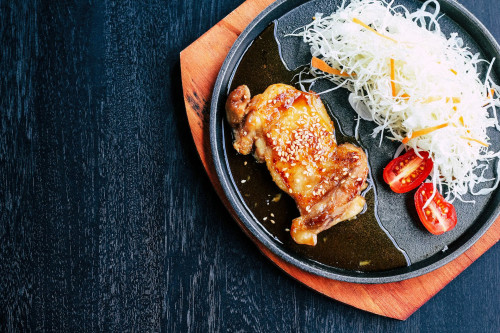
In Japan, dining is guided by respect and aesthetics. Each dish is presented with care, balancing color, texture, and taste. Eating is not just about satisfying hunger but about honoring nature and the ingredients themselves. Meanwhile, in the Middle East, hospitality is expressed through abundance – guests are offered more than they can eat, as a sign of generosity and welcome.
Climate and Ingredients Shape Taste
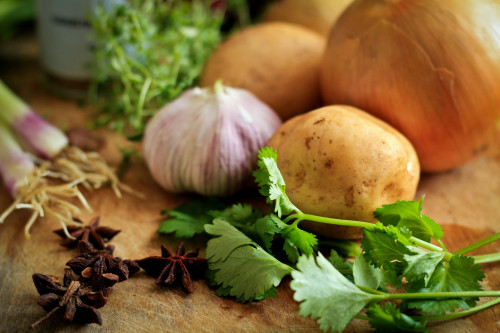
Local climate and geography have always influenced how cuisines evolve. In the Mediterranean, olive oil, tomatoes, and fresh herbs have been staples for centuries, while in Northern Europe, preservation methods like smoking, salting, and pickling developed to endure long winters.
In Southeast Asia, rice and coconut are essential, with spices like chili, ginger, and lemongrass adding depth and heat. In Latin America, corn and beans form the foundation of countless dishes, many rooted in Indigenous traditions later blended with European and African influences.
In the U.S., regional cuisines tell their own stories: Cajun gumbo from Louisiana, clam chowder from New England, and Tex-Mex tacos from the Southwest all reflect the country’s diverse landscapes and immigrant histories.
Tradition Meets Change
Globalization has made it easier than ever to taste the world – but it has also challenged traditional food cultures. In cities like New York, Los Angeles, and Chicago, you can find everything from Vietnamese pho to Ethiopian injera on the same block. This diversity sparks creativity and fusion, but it also raises questions about authenticity and cultural preservation.
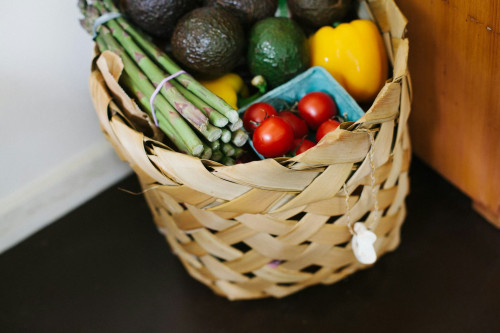
At the same time, there’s a growing movement back toward local and sustainable food. Farmers’ markets, farm-to-table restaurants, and renewed interest in heirloom ingredients show a desire to reconnect with the land and rediscover traditional methods. It’s not just about flavor – it’s about values, identity, and respect for the environment.
Læs også:

Rituals and Symbolism
Food plays a central role in religious and cultural rituals around the world. In India, vegetarian dishes are tied to Hindu beliefs, while fasting during Ramadan in Muslim communities and Lent in Christian traditions mark periods of reflection and renewal. In Mexico, the Day of the Dead is celebrated with colorful sugar skulls and dishes that honor ancestors, while in China, dumplings served at Lunar New Year symbolize wealth and good fortune.
In the U.S., food rituals also carry deep meaning – from birthday cakes and Sunday brunches to holiday feasts that bring generations together. These traditions remind us that food is not only physical nourishment but also emotional and spiritual connection.
When Taste Becomes Cultural Exchange
Tasting food from other cultures is one of the most immediate ways to understand the world. A shared meal can open doors to conversation, curiosity, and respect for difference. In a time when globalization and migration bring people closer together, food becomes a universal language – one that can bridge divides and celebrate diversity.
When we share a meal, we share stories. And perhaps it’s through taste that we find one of the most human forms of understanding: an experience that travels through the senses and straight to the heart.
Læs også: