Choose the Right Living Room Colors: Create a Balance Between Mood and Function


Choose the Right Living Room Colors: Create a Balance Between Mood and Function
Color has a powerful influence on how we experience a space. In the living room—the heart of the home—the right color choice can shape both the atmosphere and the way the room functions. The right palette can make a space feel larger, cozier, or more vibrant, depending on your goals. Here’s how to choose living room colors that strike the perfect balance between mood and practicality.
Start with Light and Space
Before picking a color, take a close look at your room’s natural light and size. A living room with large windows and plenty of daylight can handle deeper, richer tones, while a space with limited light often benefits from lighter shades that reflect brightness and make the room feel more open.
- North-facing rooms tend to have cooler light, which can emphasize blue undertones. Warm hues like beige, terracotta, or blush can help balance that coolness.
- South-facing rooms receive warm, golden light that pairs beautifully with cooler colors such as gray, blue, or sage green.
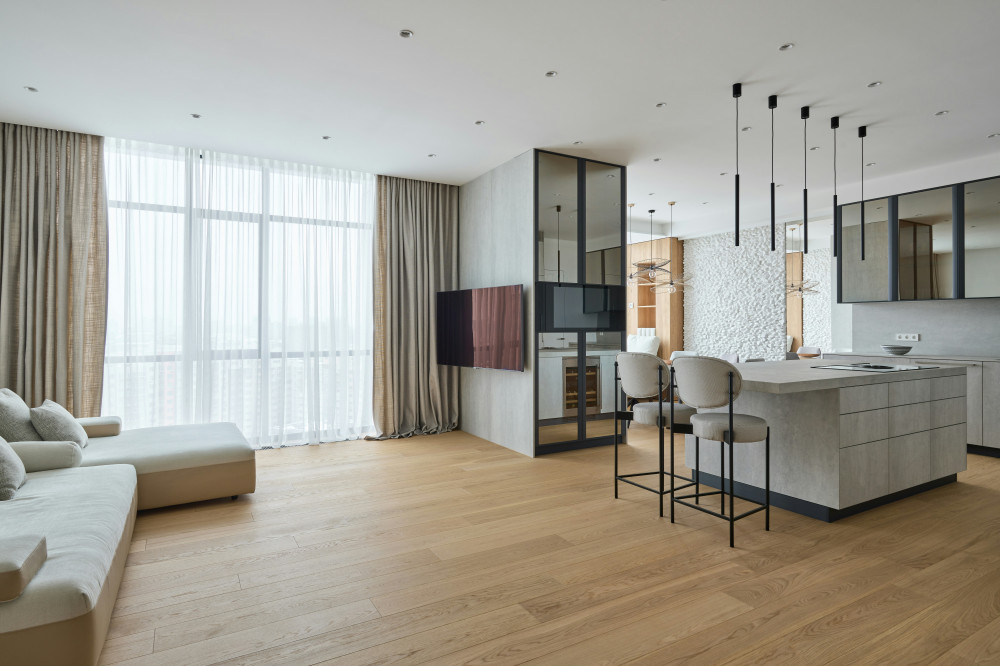
- Small living rooms feel more spacious with light, airy colors, while larger rooms can handle darker tones that add intimacy and character.
Considering how light interacts with your space is the first step toward a harmonious result.
Think About the Mood You Want to Create
Colors affect how we feel and behave. Before you paint, think about the mood you want your living room to convey.
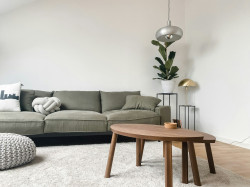
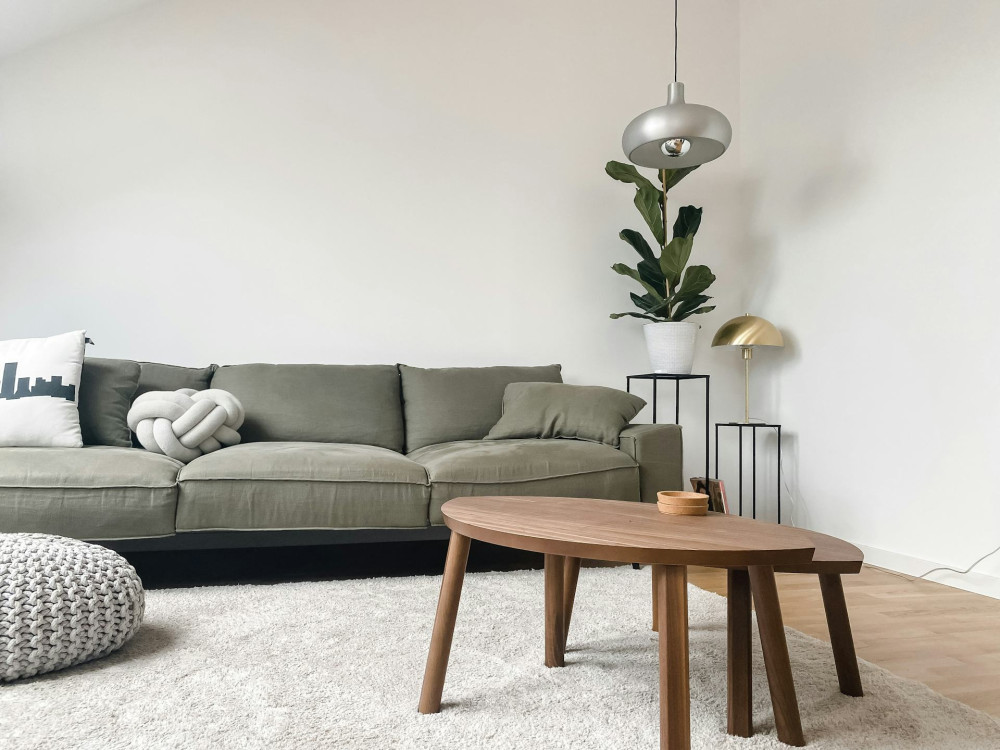
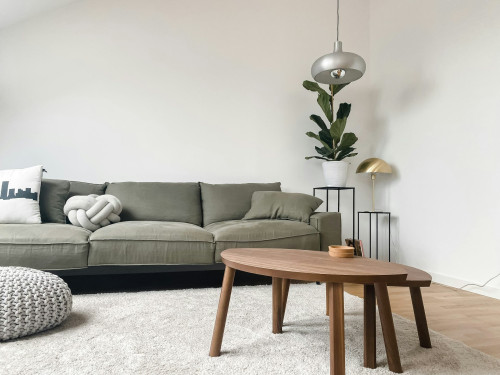
- Calm and relaxing: Soft neutrals like sand, greige, or warm white create a soothing backdrop that works well in both modern and traditional homes.
- Energetic and creative: Go for more saturated tones—mustard, navy, or forest green—to add personality and depth without overwhelming the space.
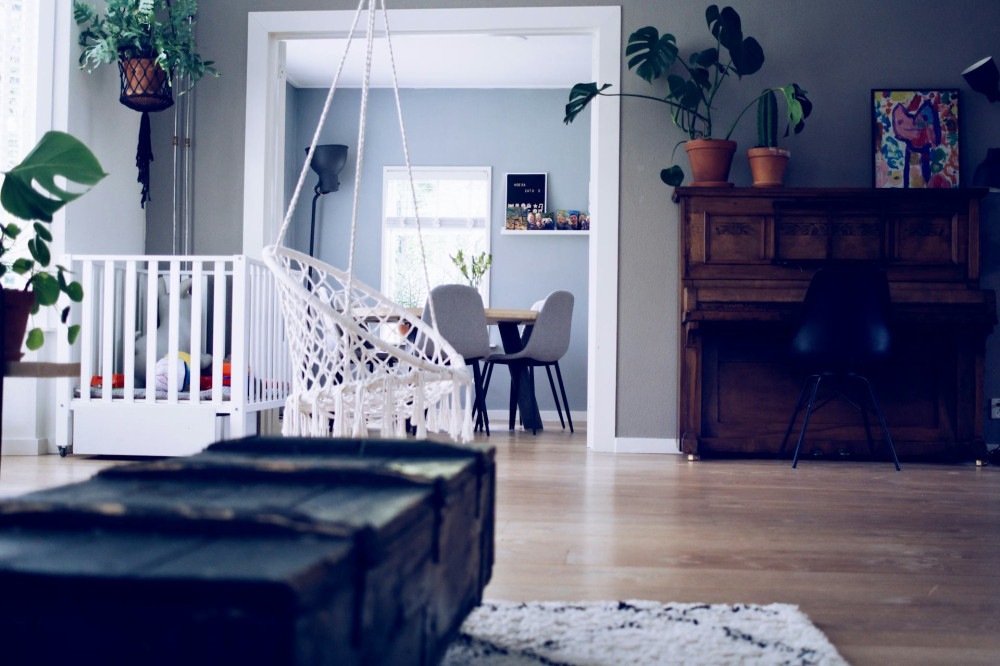
- Elegant and timeless: Classic neutrals such as taupe, charcoal, or off-white lend sophistication and pair beautifully with wood, metal, and textured fabrics.
You can also use multiple shades to add dimension—for example, painting one accent wall in a deeper tone to contrast with lighter surrounding walls.
Læs også:
Coordinate with Furniture and Materials
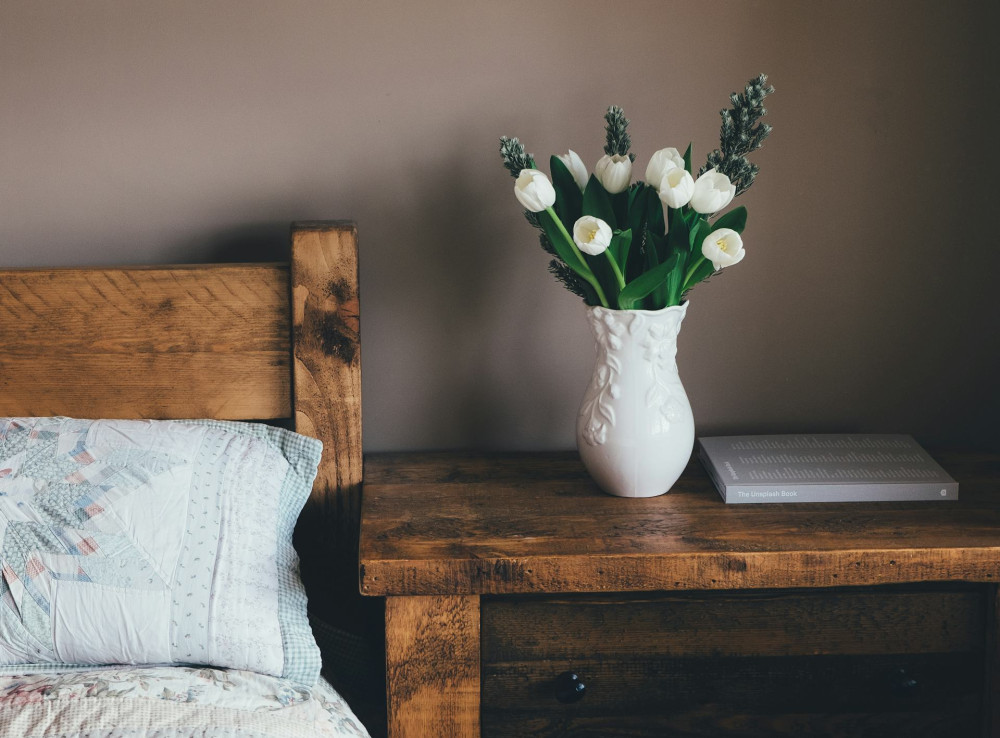
Your wall color should complement—not compete with—your furniture, flooring, and textiles. If you have lots of wood tones, cooler wall colors like blue-gray or muted green can create a pleasing contrast. If your furniture is mostly neutral, consider adding warmth and character through the wall color.
A helpful tip: gather paint swatches, fabric samples, and flooring pieces to see how they interact in different lighting. Colors can shift dramatically from daylight to evening light, so always test a sample on the wall before committing to a full paint job.
Use Color to Define Function and Flow
Many American living rooms serve multiple purposes—relaxation, entertainment, work, and family time. Color can help define these zones naturally. A darker shade behind the sofa can create a cozy focal point, while a lighter tone near a desk or reading nook can promote focus and clarity.
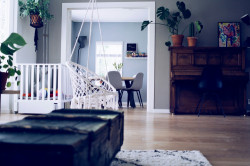
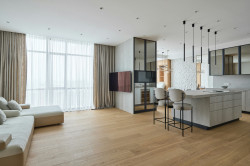
If you have an open floor plan, use color to subtly separate areas like the living and dining spaces. Choose hues from the same color family but vary the intensity to maintain flow without harsh transitions.
Consider Paint Finishes and Techniques
While color is key, the finish also affects the final look. A matte finish offers a soft, elegant appearance and hides wall imperfections, while a satin or eggshell finish reflects more light and is easier to clean—ideal for high-traffic areas or homes with kids and pets.
You can also experiment with textured finishes or limewash paints to add depth and a handcrafted feel. These techniques bring warmth and character, especially in minimalist or contemporary interiors.
Bring It All Together with Details
Once your walls are painted, reinforce your color scheme through accessories—pillows, rugs, artwork, and plants. Repeating key colors in small accents throughout the room ties everything together and creates a cohesive, intentional look.
Remember, color doesn’t have to be permanent. A fresh coat of paint can completely transform your living room’s mood in just a weekend, giving your home new energy and personality.
Find Your Own Balance
There’s no single formula for the perfect living room color. The goal is to find a balance that fits your lifestyle, your home, and your personal taste. Choose colors that make you feel comfortable and that support how you use the space.
When you consider both mood and function, you can create a living room that feels harmonious, inviting, and uniquely yours—every day.
Læs også: