Proportion and Scale: The Key to a Harmonious Home

Proportion and Scale: The Key to a Harmonious Home
When you walk into a room that feels calm, balanced, and inviting, it’s rarely by accident. Behind that sense of harmony lies an understanding of proportion and scale—two design principles that determine how well a space works visually and functionally. Whether you live in a compact city apartment or a spacious suburban home, mastering these concepts can transform your interiors from ordinary to effortlessly cohesive.
What Do Proportion and Scale Mean?
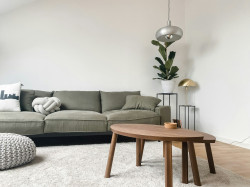
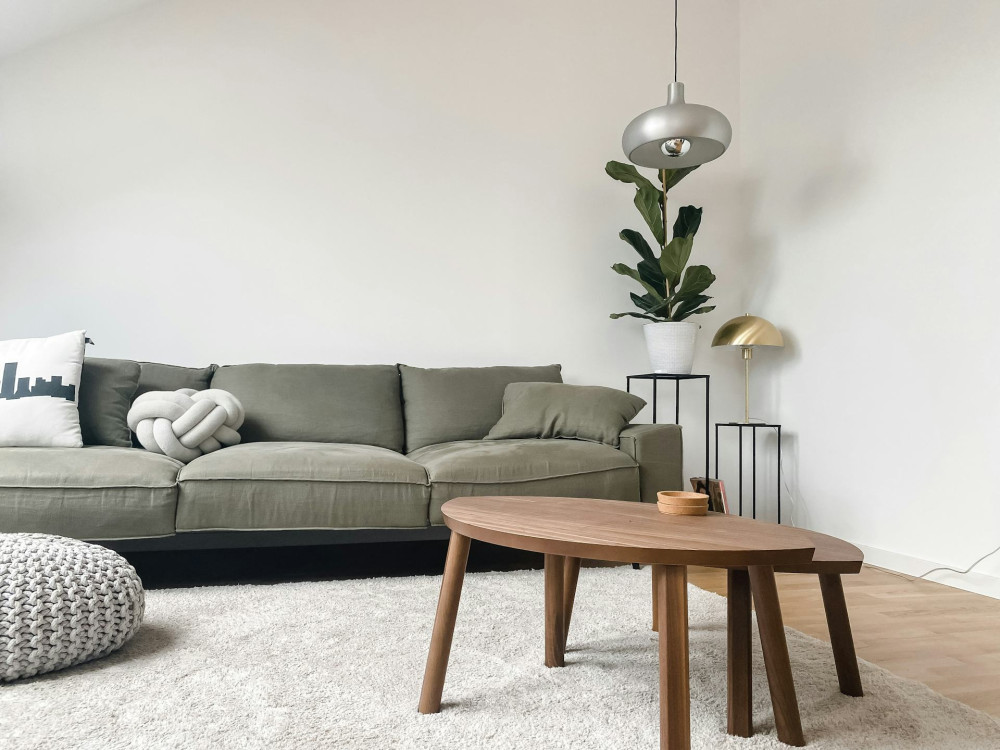
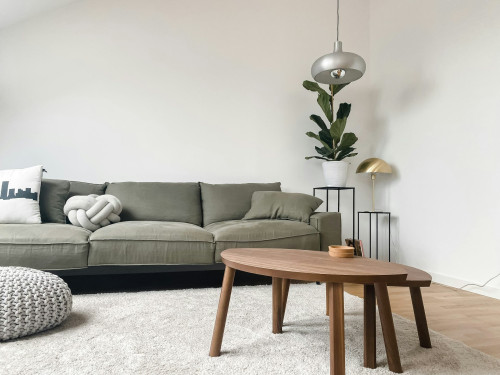
Although the two terms are often used interchangeably, they describe different aspects of design. Proportion refers to the relationship between individual elements in a space—how the size of one object compares to another. For example, how a coffee table relates to the sofa beside it, or how a window’s size fits the wall it occupies. Scale, on the other hand, describes how those elements relate to the overall size of the room.
A room with good scale feels neither crowded nor empty. The furniture fits comfortably within the space, and the proportions between pieces create visual balance. When scale is off, even beautiful furniture can look awkward or out of place.
Start with the Room Itself
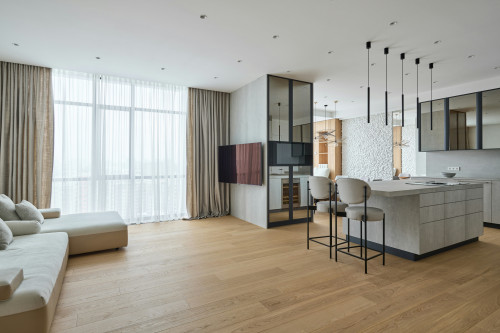
Before choosing furniture, take a close look at the room’s architecture. Ceiling height, window placement, and natural light all influence how you should think about proportion. In a room with low ceilings, bulky furniture can feel overwhelming, while a high-ceilinged space can handle larger, more substantial pieces.
A practical first step is to measure your space and sketch a simple floor plan before shopping. This helps you visualize how much room you truly have for furniture and walkways. Remember, open space is just as important as the furniture itself—it allows the room to breathe and feel comfortable.
Balancing Your Furniture
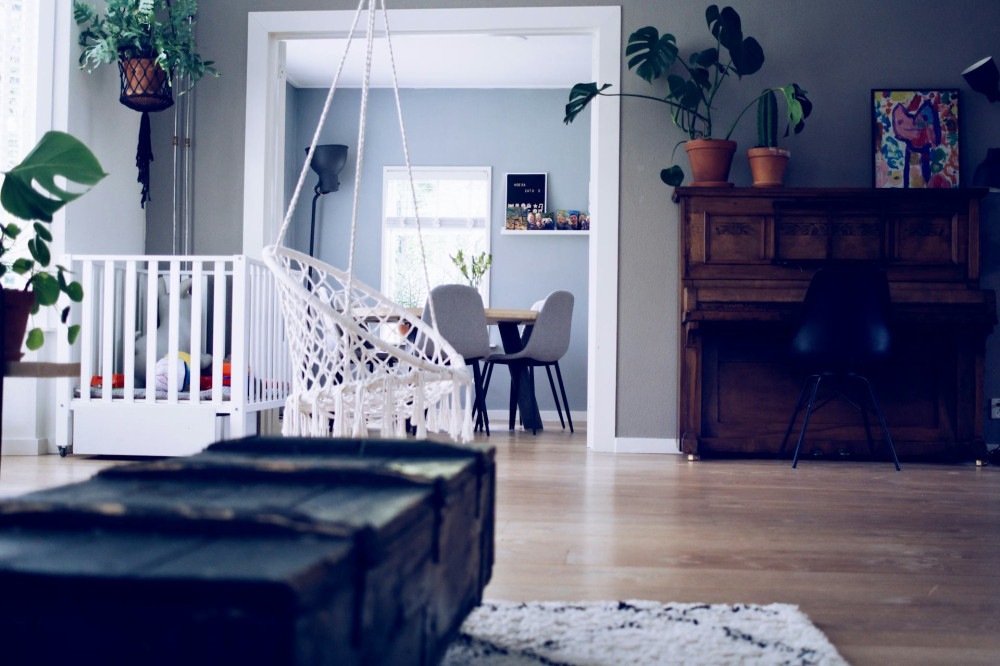
When arranging furniture, think about how each piece interacts with the others. A large sectional sofa calls for a coffee table that matches its presence, while a tall bookcase might need to be balanced by artwork or lighting on the opposite side of the room.
A common mistake is choosing furniture that’s too small for a large space, which can make the room feel sparse and disconnected. Conversely, oversized furniture in a small room can make it feel cramped. Aim for a middle ground where pieces fill the space appropriately without dominating it.
Using Color and Texture to Adjust Perception
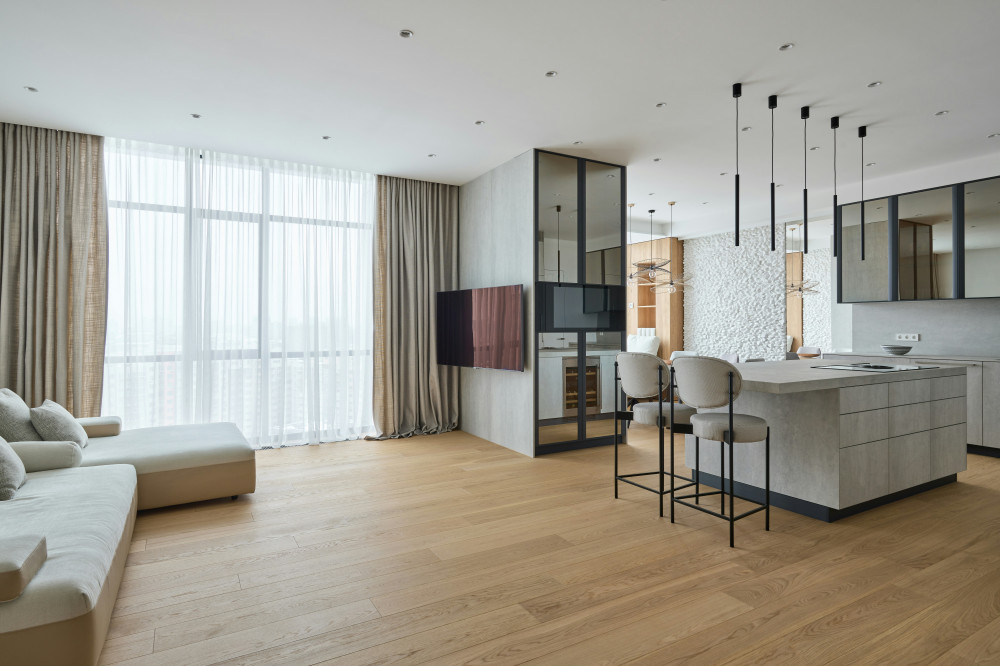
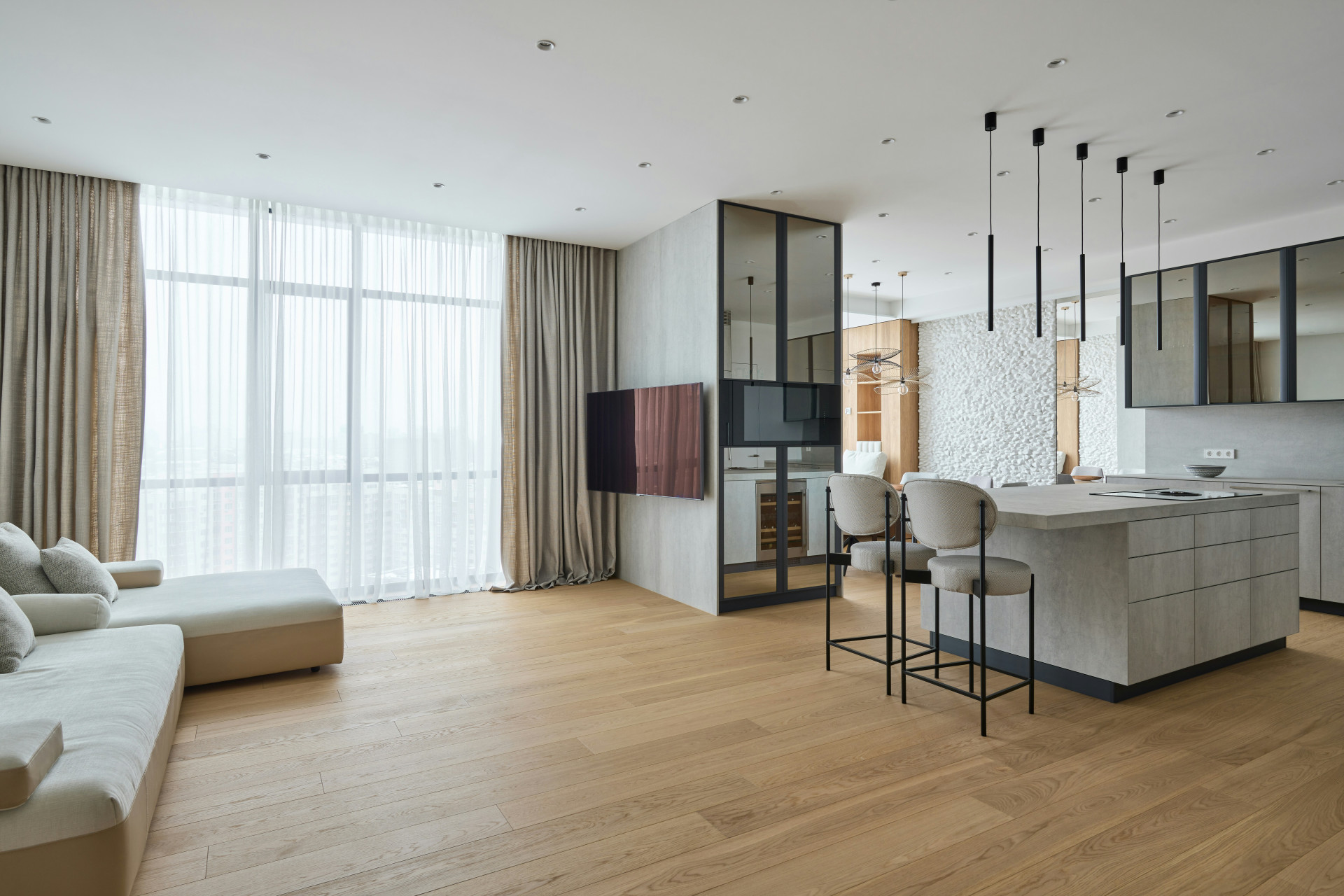
Proportion isn’t just about physical dimensions—color, material, and texture also affect how we perceive scale. Light colors and airy materials make a room feel larger, while darker tones and heavier fabrics create intimacy and warmth.
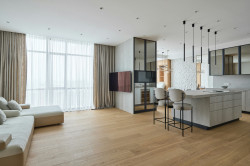
In a large, open-plan living area, darker walls or a substantial rug can help anchor the space. In smaller rooms, choose furniture with slender legs and light finishes to reduce visual weight and maintain a sense of openness.
Læs også:
Creating Rhythm and Flow
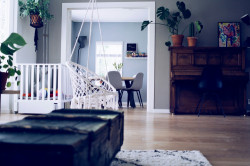
A harmonious home also depends on rhythm—the repetition of shapes, colors, or materials that tie spaces together. This might mean echoing circular forms in light fixtures, mirrors, and tables, or carrying a consistent color palette from one room to the next.
When proportion and rhythm work hand in hand, your home feels cohesive and intentional. Even if each room has its own personality, there’s a visual thread that connects them all.
Making Room for Personality
Balance doesn’t mean everything has to be perfectly symmetrical. In fact, a deliberate break from the rules can add character and energy. A large piece of art in a small room or an oversized pendant light above a simple dining table can serve as a striking focal point that expresses your style.
The key is understanding the principles of proportion and scale so you can decide when to follow them—and when to bend them.
A Home in Harmony
When proportion and scale are in sync, you can feel it immediately. The space feels calm, functional, and welcoming. Achieving that harmony isn’t about expensive furniture or designer labels—it’s about understanding how each element contributes to the whole.
A harmonious home is one where the eye rests easily and the body feels at ease—and it all begins with finding the right balance between the parts that make up your space.
Læs også: