Family Life and Style: How to Keep Your Home Design When You Have Kids

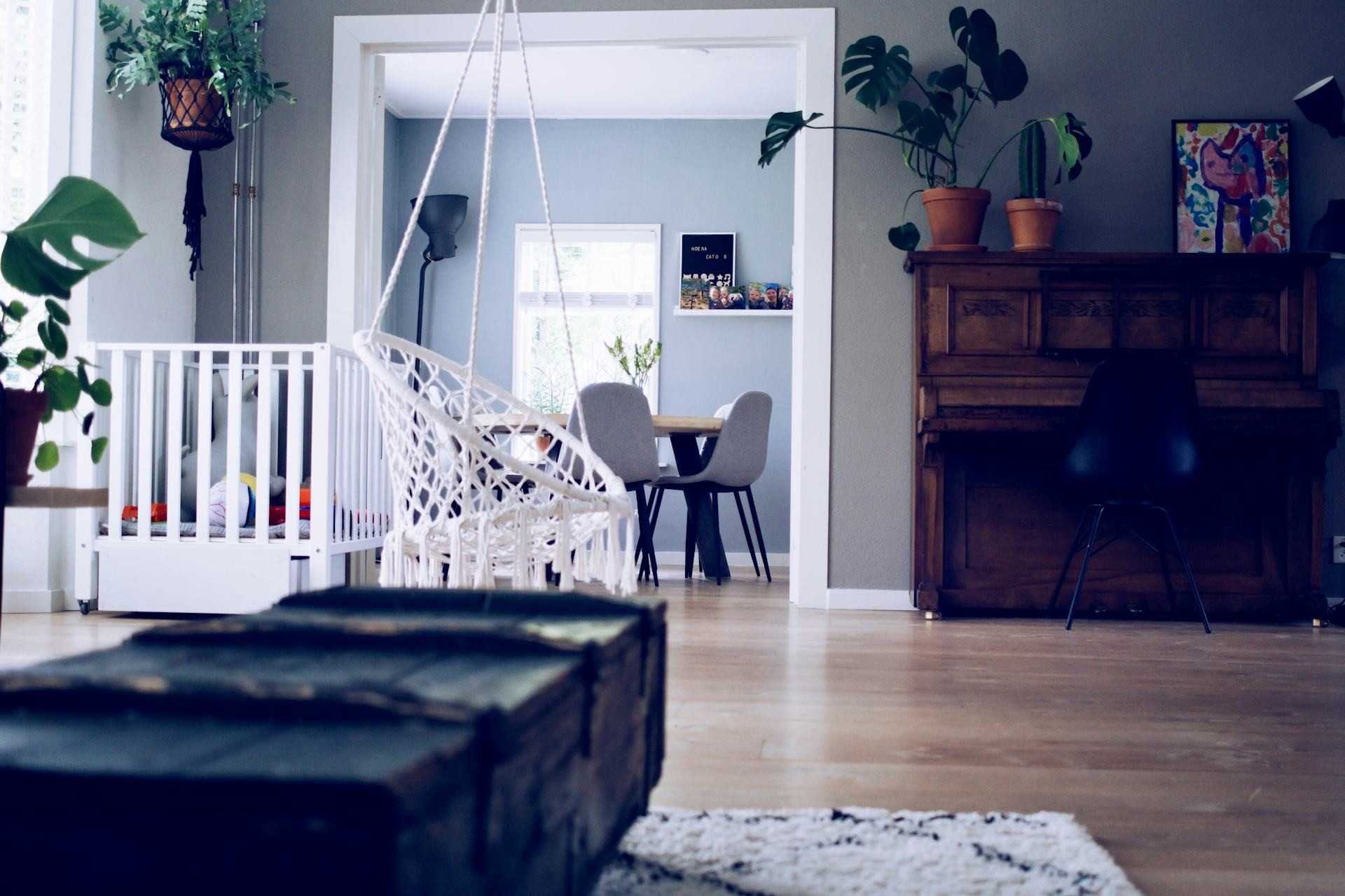
Family Life and Style: How to Keep Your Home Design When You Have Kids
When kids enter the picture, life changes — and so does your home. Toys, strollers, and practical solutions start to take over, and suddenly your carefully curated design can feel like it’s disappearing under piles of everyday necessities. But it doesn’t have to be that way. With a bit of planning and creativity, you can create a home that works for your family while still reflecting your personal style. Here’s how to keep your home beautiful, functional, and family-friendly.
Combine Function and Aesthetics
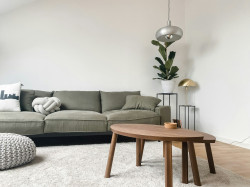
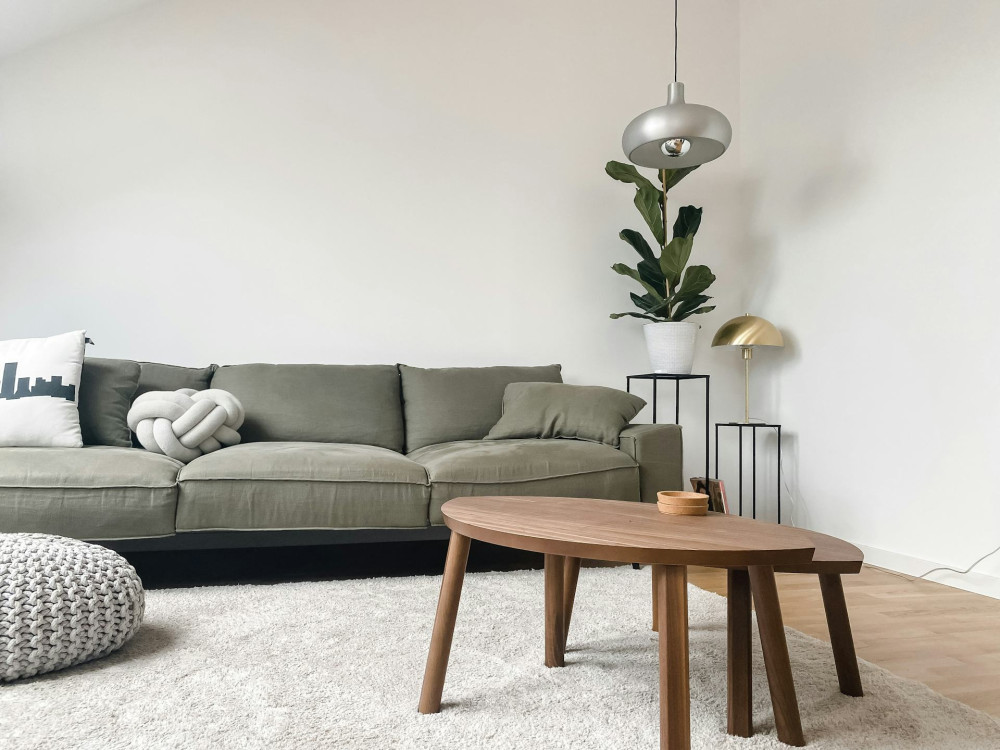
A family home is a busy space where everything needs to serve a purpose. But practicality doesn’t mean you have to sacrifice design. The key is to choose furniture and materials that balance durability with style.
- Opt for durable materials that still look great — think microfiber or leather sofas that wipe clean easily, and tables with scratch-resistant finishes.
- Go for flexible furniture — a coffee table with hidden storage, a bench with space for toys underneath, or an extendable dining table for family gatherings.
- Use color strategically — keep a neutral base for calmness, and add pops of color through pillows, artwork, or your kids’ creations.
This way, your home stays both practical and personal — a place where kids can play freely and adults can still feel at home.
Create Zones for Every Family Member
A well-functioning family home benefits from clear zones for different activities. It helps everyone — kids and adults alike — find structure and calm in daily life.
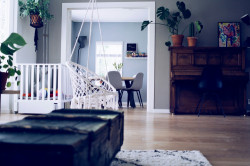
- Play areas can blend into the living room without taking over. Use baskets or cabinets to store toys that can be tucked away at the end of the day.
- Adult corners — a reading nook, a small home office, or a cozy chair by the window — give you a space to recharge and maintain your sense of self.
- Bedrooms should focus on rest and comfort. Choose soft lighting, calming colors, and minimal distractions to create a peaceful retreat.
By defining zones, you create a home that feels organized and balanced, even when life gets hectic.
Design with Your Kids’ Growth in Mind
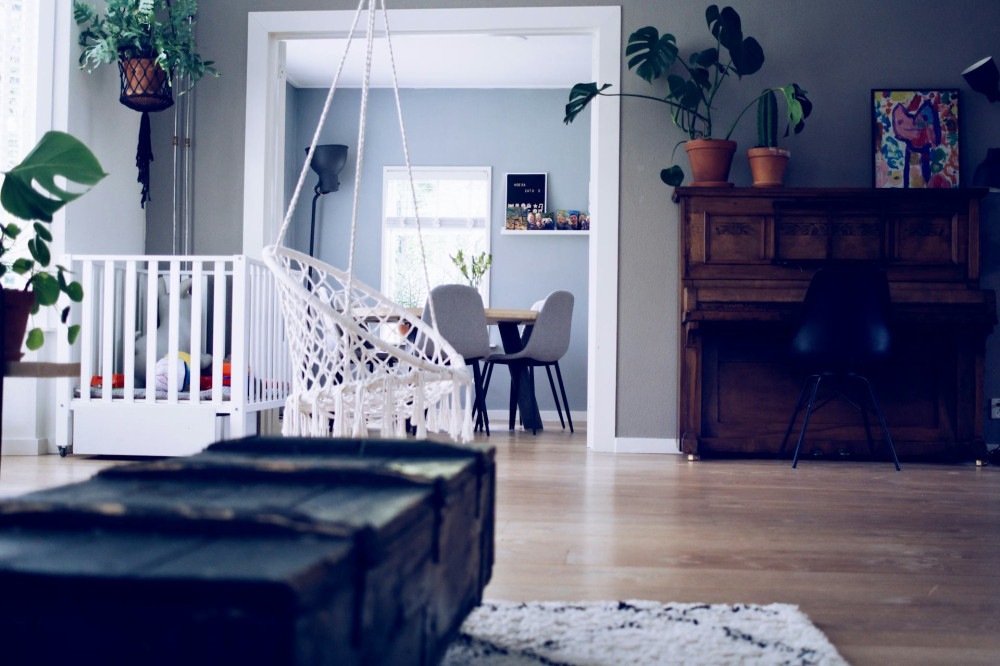
Children’s needs change quickly, so it pays to think ahead when designing their spaces. Choose furniture that grows with them — a crib that converts into a toddler bed, or a changing table that later becomes a dresser.
Involve your kids in the process, too. Let them pick colors or small details for their room. When children feel ownership of their space, they’re more likely to take care of it — and it helps them feel proud of their home.
Læs også:
Make Storage Part of the Design
As your family grows, so does the amount of stuff you need to store. Smart storage is essential — but it can also be stylish.
- Baskets, bins, and boxes made from natural materials like rattan, wood, or fabric add warmth and make cleanup easy.
- Shelving with closed sections hides clutter, while open shelves can display books, plants, or decorative items.
- Built-in storage — drawers under beds, cabinets in hallways, or window seats with hidden compartments — maximizes space and keeps things tidy.
When storage becomes part of your design, your home feels harmonious, even on the busiest days.
Keep Your Personal Style Alive
It’s easy to let the kids’ things take over, but remember — your home should reflect you, too. Keep pieces that matter to you, like a family heirloom, a favorite piece of art, or a statement lamp. These details give your home character and tell your family’s story.
You can also showcase your children’s creativity in a stylish way. Frame their drawings, create a small gallery wall with family photos, or use their colorful crafts as accents that complement your décor.
A Home That Grows with Your Family
A home with kids is always evolving. What works today might need adjusting next year — and that’s part of the beauty of family life. By choosing flexible solutions and thinking ahead, you can create a home that grows with your family without losing your sense of style.
Keeping your home design intact isn’t about resisting change — it’s about finding a new balance between beauty and practicality. When you achieve that, your home becomes more than just a place to live — it becomes a reflection of your family’s story, full of warmth, personality, and life.
Læs også: