Find Your Color Style – Get Inspiration from Your Wardrobe, Nature, and Art

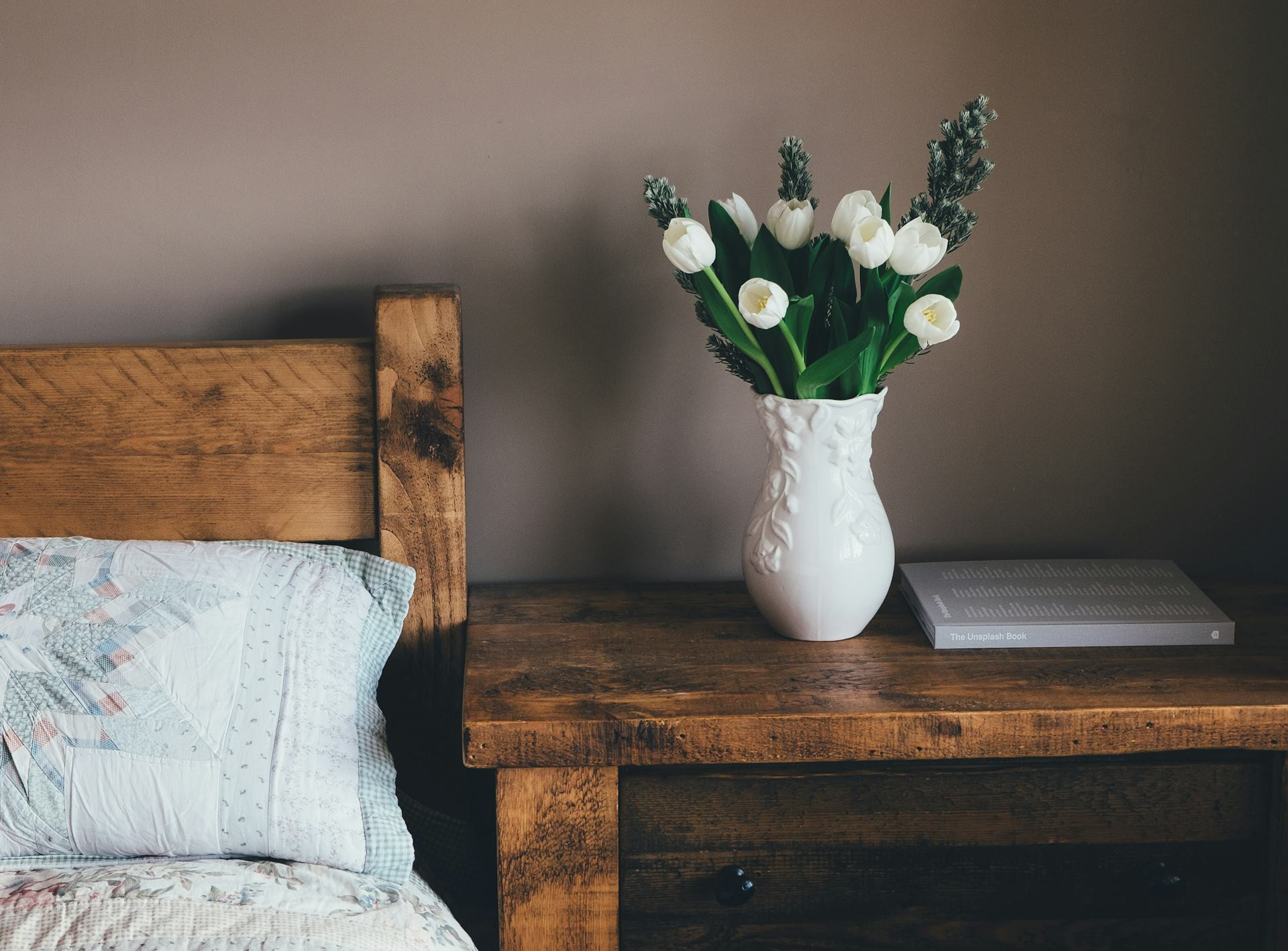
Find Your Color Style – Get Inspiration from Your Wardrobe, Nature, and Art
Colors influence us more than we often realize. They can lift our mood, create calm, or energize a space—and they say something about who we are. But how do you actually find your own color style? The answer might be hiding in your closet, in the shades of nature around you, or in the artwork that catches your eye. Here’s how to discover and develop your personal color palette.
Start with Your Wardrobe – Your Favorite Colors Tell a Story
A great place to begin is your own closet. Which colors do you wear most often? Are you drawn to soft neutrals, classic black and white, or bold blues and greens? The colors you feel comfortable in often reflect your natural preferences.
Lay out your clothes and look for patterns. Maybe you gravitate toward warm tones like mustard and rust, or perhaps you feel best in cool shades like slate blue and lavender. The same colors that flatter you in clothing often work beautifully in your home—they harmonize with your skin tone and personality.
Try taking a photo of your wardrobe in natural light. It gives you a quick overview of your “personal color scale,” which can serve as a guide when choosing paint, fabrics, or décor.
Look to Nature – The Ultimate Color Palette Is Right Outside
Nature offers endless color inspiration. Think of the deep greens of forests, the golden hues of wheat fields, the turquoise shimmer of the ocean, or the muted tones of a winter landscape. Natural colors tend to work well together because they’re balanced and harmonious.
Take photos on your walks or hikes, and notice which color combinations draw you in. Maybe you love the contrast between dark rocks and pale sand, or you feel peaceful surrounded by the greens and browns of a wooded trail. These observations can translate directly into your home’s color choices—on walls, in textiles, or through artwork.
You can also take cues from the seasons. Spring brings fresh, light tones; summer feels soft and sun-washed; fall is warm and rich; and winter offers deep, cool shades. Which season feels most like you?
Let Art Guide You – Colors with Emotion and Personality
Art can be a shortcut to understanding which colors move you. Maybe you’re drawn to the bold contrasts of modern paintings, or you prefer the calm, dusty hues of classic landscapes. Either way, art helps you connect emotion to color.
Visit a local gallery, museum, or browse art books and online collections. Notice which pieces you keep coming back to and what colors they share. Use those hues as inspiration to create moods in your home—perhaps a serene bedroom in blue-green tones or a lively living room with warm, energetic shades.
If you already have artwork at home, let the colors in your favorite pieces guide the rest of the room’s palette. It creates a sense of cohesion and personal expression.
Læs også:
Create Balance Between Colors
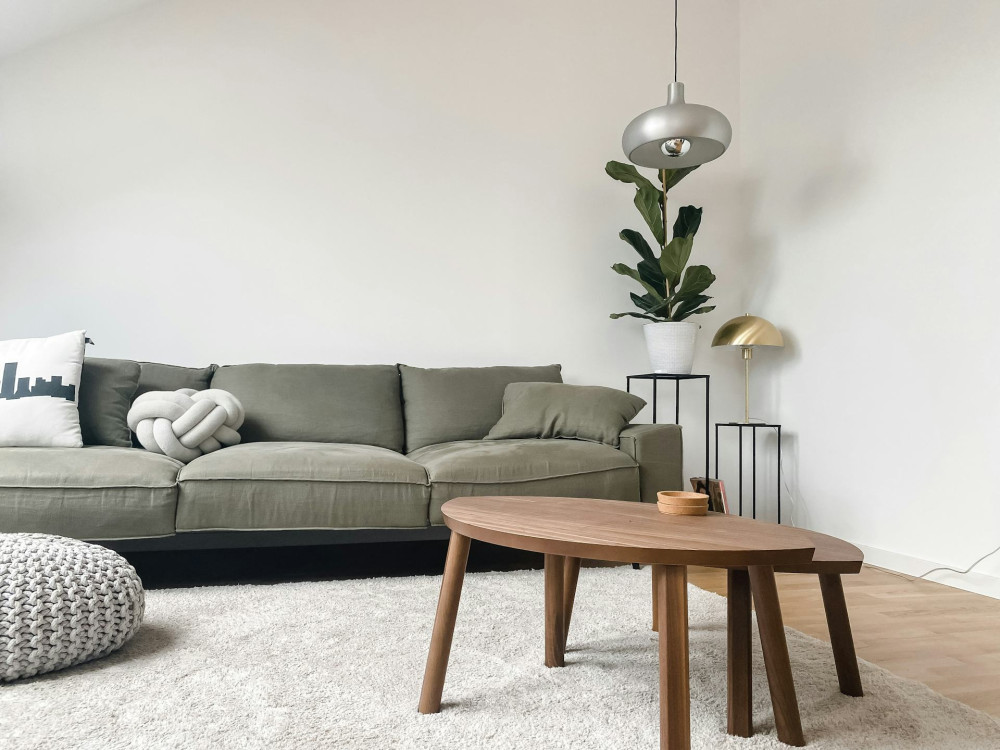
Once you’ve identified your favorite colors, the next step is using them thoughtfully. A good rule of thumb is to combine neutral base colors with a few accent shades. This creates balance and allows your chosen colors to shine.
- Neutrals like white, gray, beige, and sand form a calm foundation.
- Accent colors such as ochre, blue, green, or red add life and character.
- Contrasts can highlight details—think throw pillows, vases, or wall art.
Experiment with paint samples, fabric swatches, or digital mood boards before making big changes. It’s the easiest way to see how colors interact in real life.
Your Color Style Is Personal – and It Can Evolve
Finding your color style isn’t about following trends—it’s about discovering what feels right for you. Colors are a form of self-expression, and they can change over time, just as we do. You might start with soft neutrals and later feel ready for bolder choices. The key is that your home feels like yours.
So next time you’re holding a paint sample or shopping for décor, ask yourself: Does this color remind me of something I love—a favorite outfit, a forest trail, a painting? If the answer is yes, you’re probably on the right track.
Læs også: