Scandinavian Design: When Functionality Meets Aesthetics

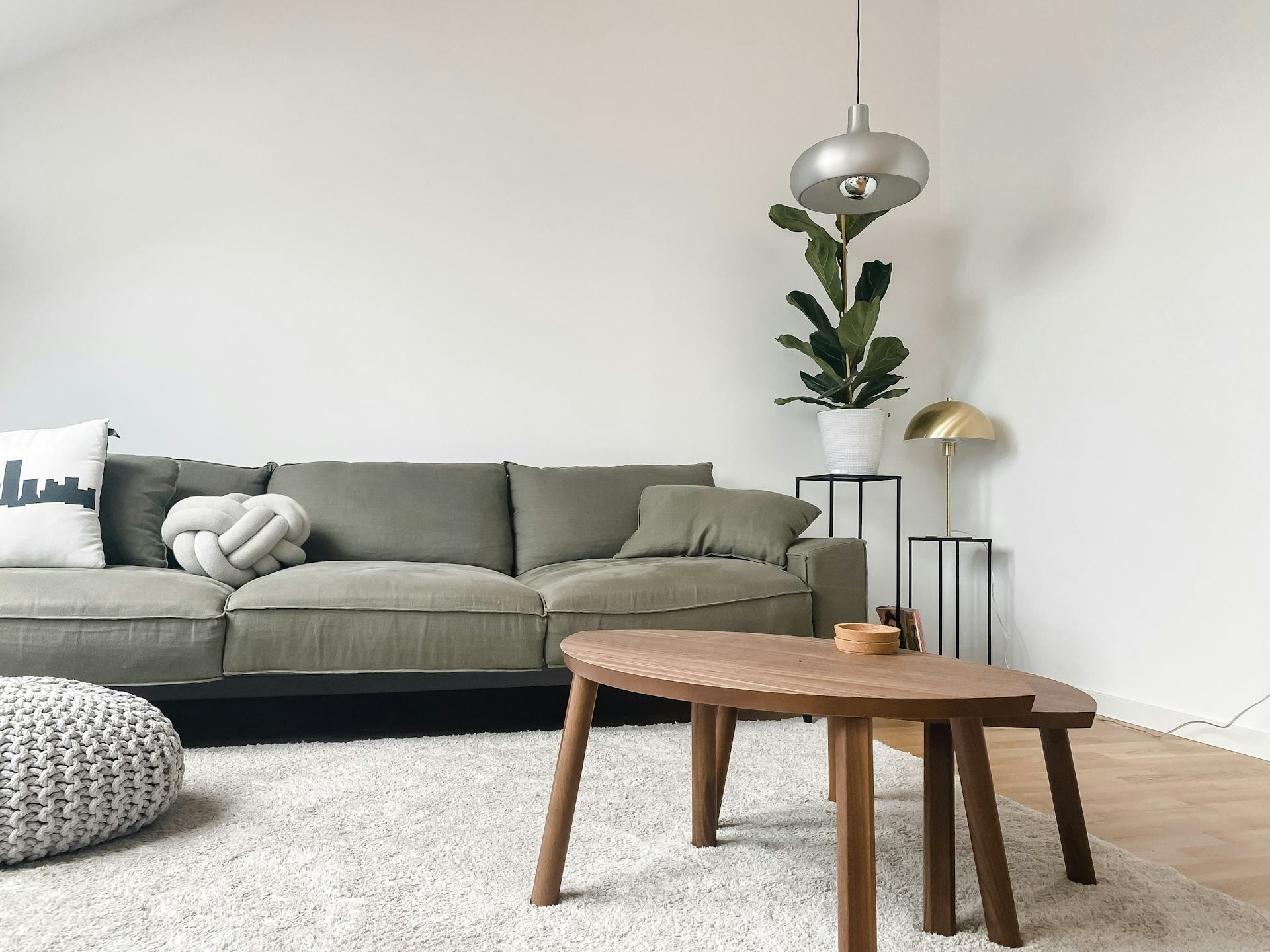
Scandinavian Design: When Functionality Meets Aesthetics
When people think of Scandinavian design, they often picture bright spaces, clean lines, and natural materials. But behind this simple aesthetic lies a deeper philosophy: beauty and functionality should coexist. Scandinavian design is not just about how something looks—it’s equally about how it works and how it makes people feel in their surroundings.
A Design Tradition Born from Everyday Life
The roots of Scandinavian design reach back to the mid-20th century, when designers in Denmark, Sweden, and Finland began to challenge the ornate and heavy styles that dominated the era. Their goal was to create objects that were accessible to everyone—beautiful, practical, and built to last.
Designers such as Arne Jacobsen, Alvar Aalto, and Greta Magnusson Grossman set new standards for how form and function could merge. They worked with natural materials like wood, leather, and wool, drawing inspiration from the Nordic light and landscape. The result was a design tradition that continues to influence everything from furniture and lighting to architecture and textiles.
Læs også:
Functionality as Beauty
A core principle of Scandinavian design is that functionality itself can be beautiful. A chair should not only look elegant—it should be comfortable to sit in. A lamp should not just decorate a room—it should create the right atmosphere. This approach results in designs that appear simple but are carefully considered down to the smallest detail.
Minimalism in Scandinavian design is not an end in itself but a means to create calm and balance. By removing unnecessary elements, the quality of materials and the precision of craftsmanship become more visible. This honesty in expression is what makes Scandinavian design timeless.
Materials with Soul
Natural materials play a central role in the Nordic design tradition. Wood, stone, leather, and wool bring warmth and texture into the home, creating a connection to nature—something especially valued in a region where much of life is spent indoors during long winters.
Today, sustainability has become a natural extension of this philosophy. Many contemporary Scandinavian designers focus on recyclable materials, local production, and long-lasting solutions. It’s not just about creating beautiful objects, but about taking responsibility for how they are made and how long they endure.
Light, Space, and Simplicity at Home
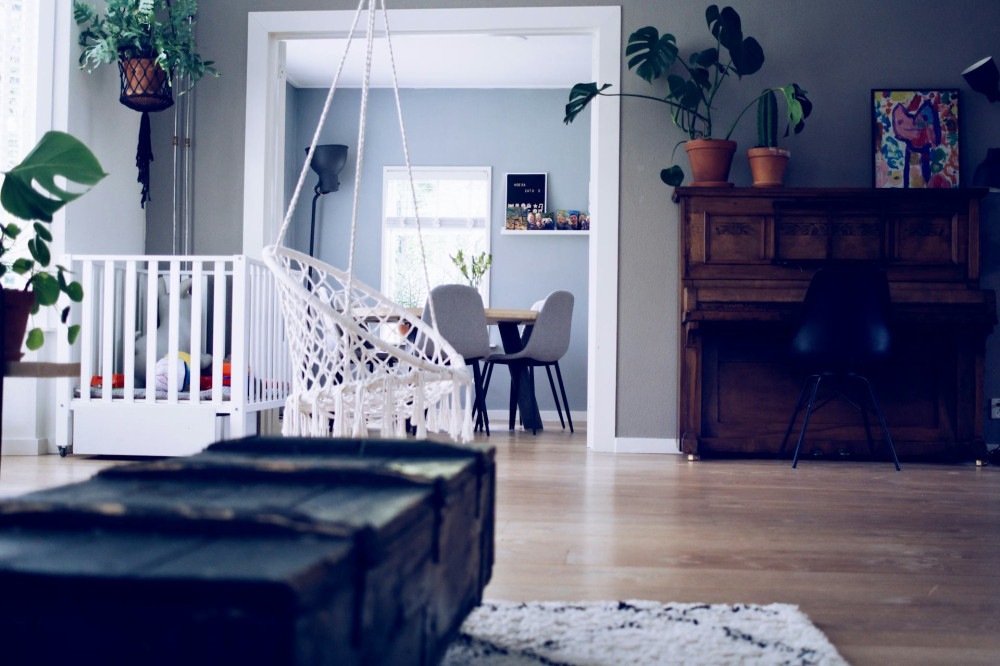
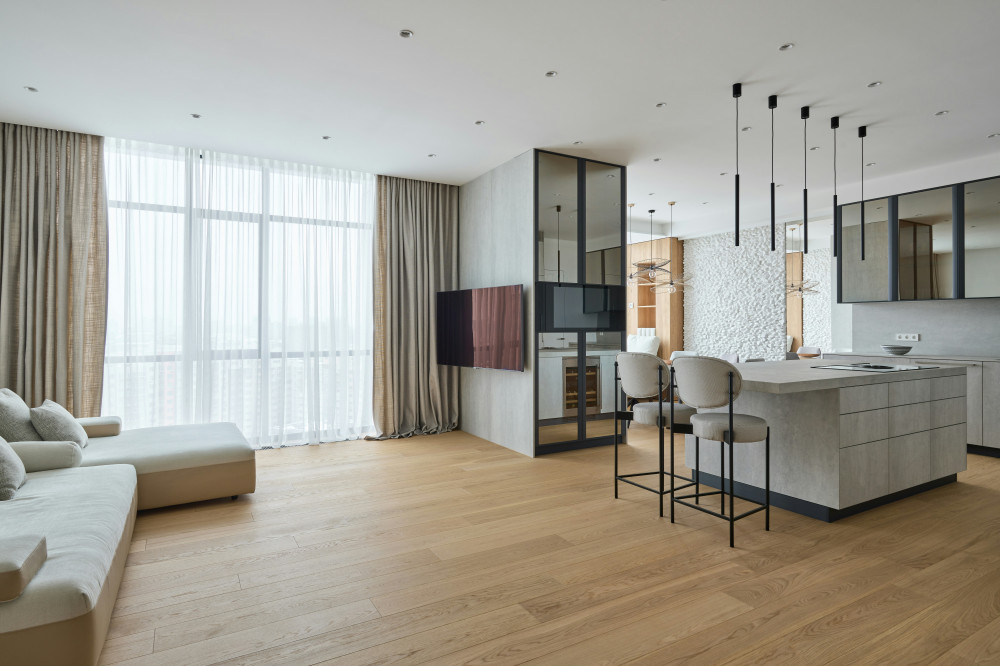
Scandinavian design is closely tied to the way people in the North shape their living spaces. The light colors, open layouts, and simple forms are not accidental—they are a response to the dark winter months and a desire to create interiors that feel bright and inviting.
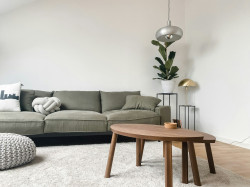
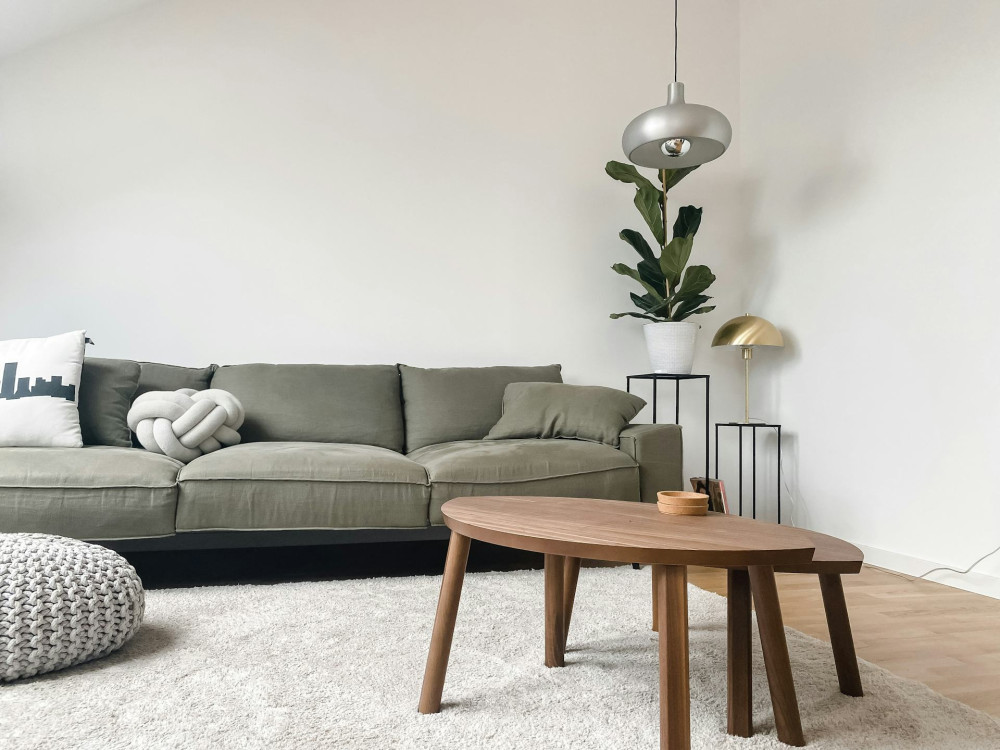
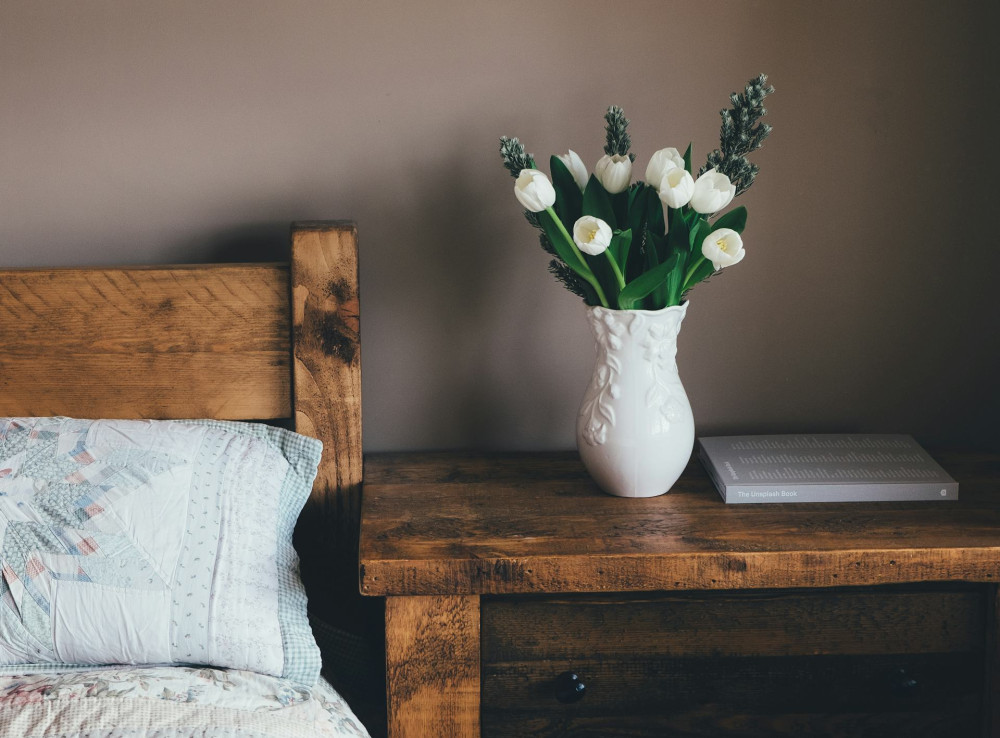
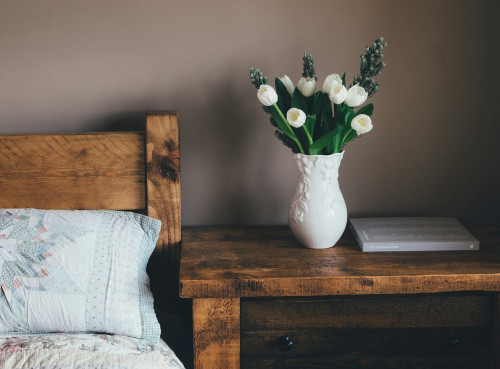
Light woods, white walls, and soft-toned textiles reflect light and make rooms feel more spacious. At the same time, small details—a ceramic vase, a woven throw, a softly glowing lamp—add warmth and personality. This balance between function and feeling is what makes the style so appealing, especially to those outside Scandinavia who seek calm and clarity in their homes.
From Mid-Century Icons to Modern Innovators
While many associate Scandinavian design with mid-century classics, the tradition is very much alive today. New generations of designers are building on this heritage, adding modern materials, technology, and sustainable perspectives.
Brands like Muuto, Normann Copenhagen, and &Tradition reinterpret the old ideals in fresh ways—focusing on flexibility, modularity, and everyday usability. This shows that Scandinavian design is not a static style but a living approach to creating beautiful, functional environments.
A Philosophy Beyond Design
Ultimately, Scandinavian design is about more than furniture or interiors. It reflects a way of life where simplicity, quality, and mindfulness go hand in hand. It’s about creating spaces that bring peace and objects that make daily life easier—without compromising on aesthetics.
When functionality meets aesthetics, something special happens: design becomes not just something to look at, but something to live with. And perhaps that’s why Scandinavian design continues to inspire the world—it reminds us that beauty and usefulness are not opposites, but two sides of the same chair.
Læs også: